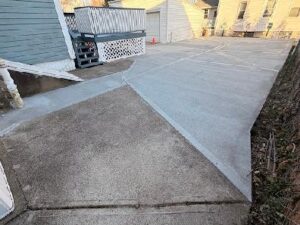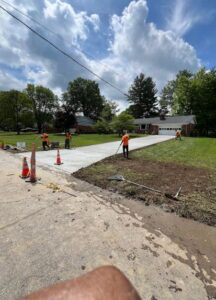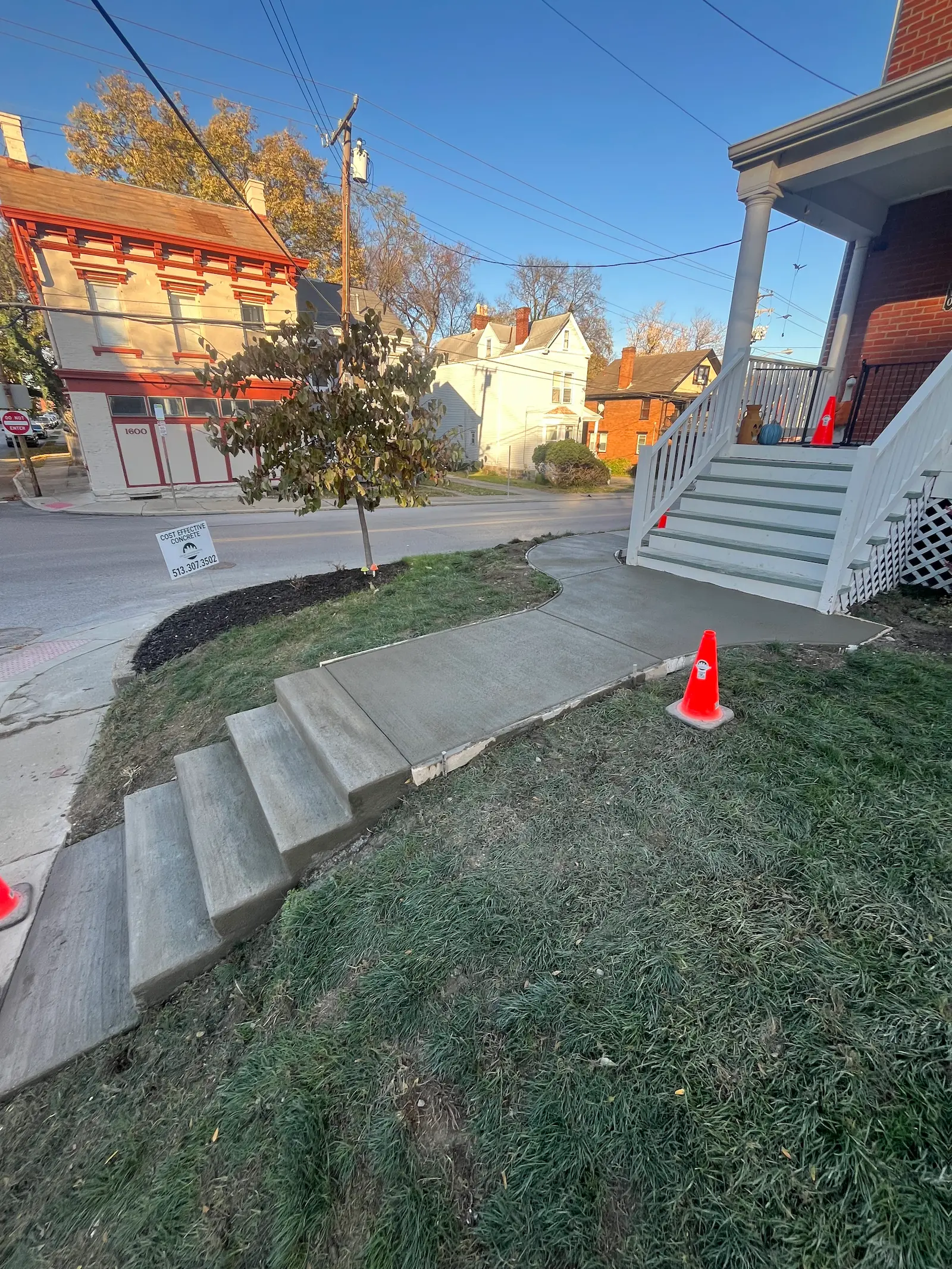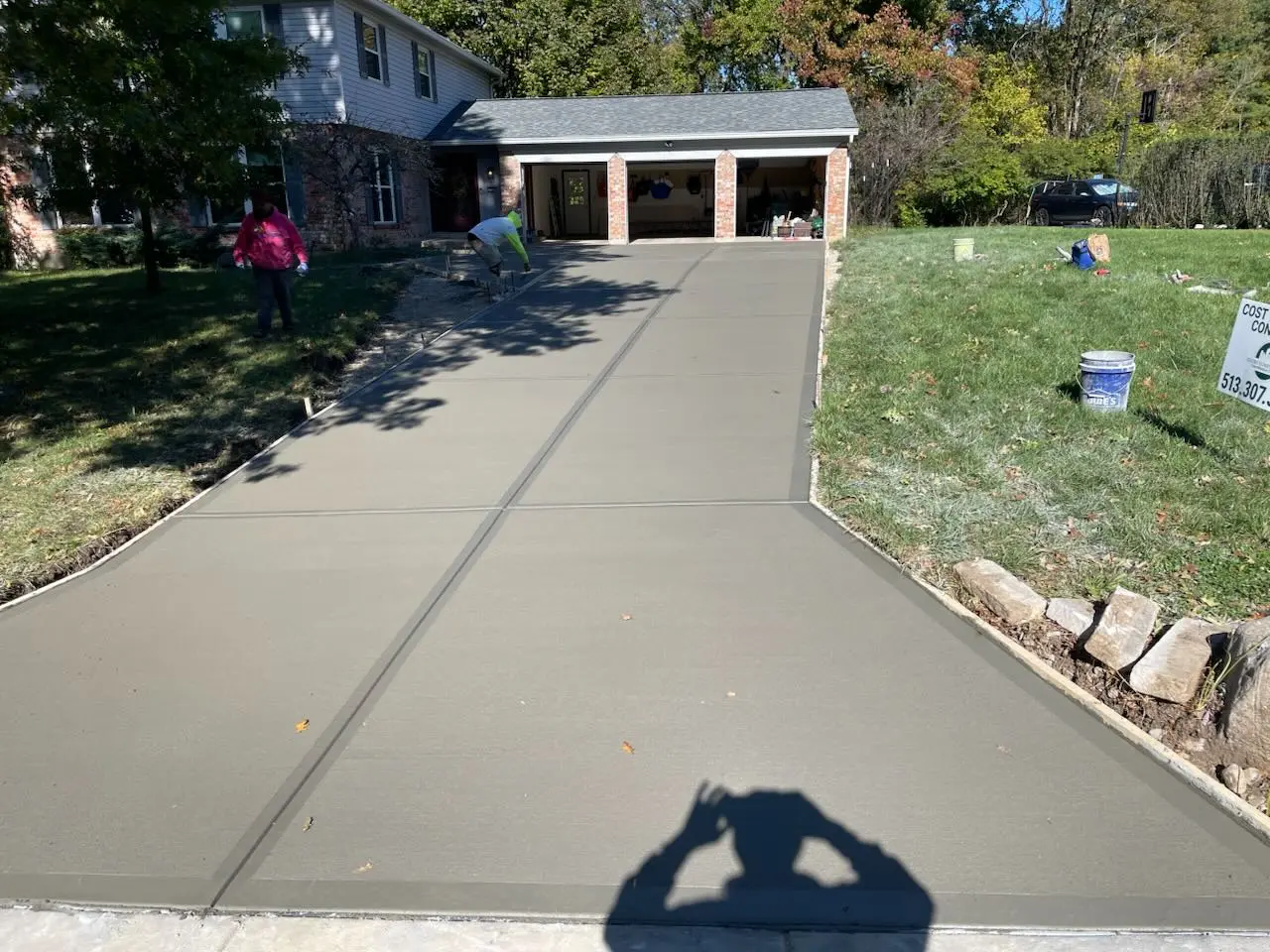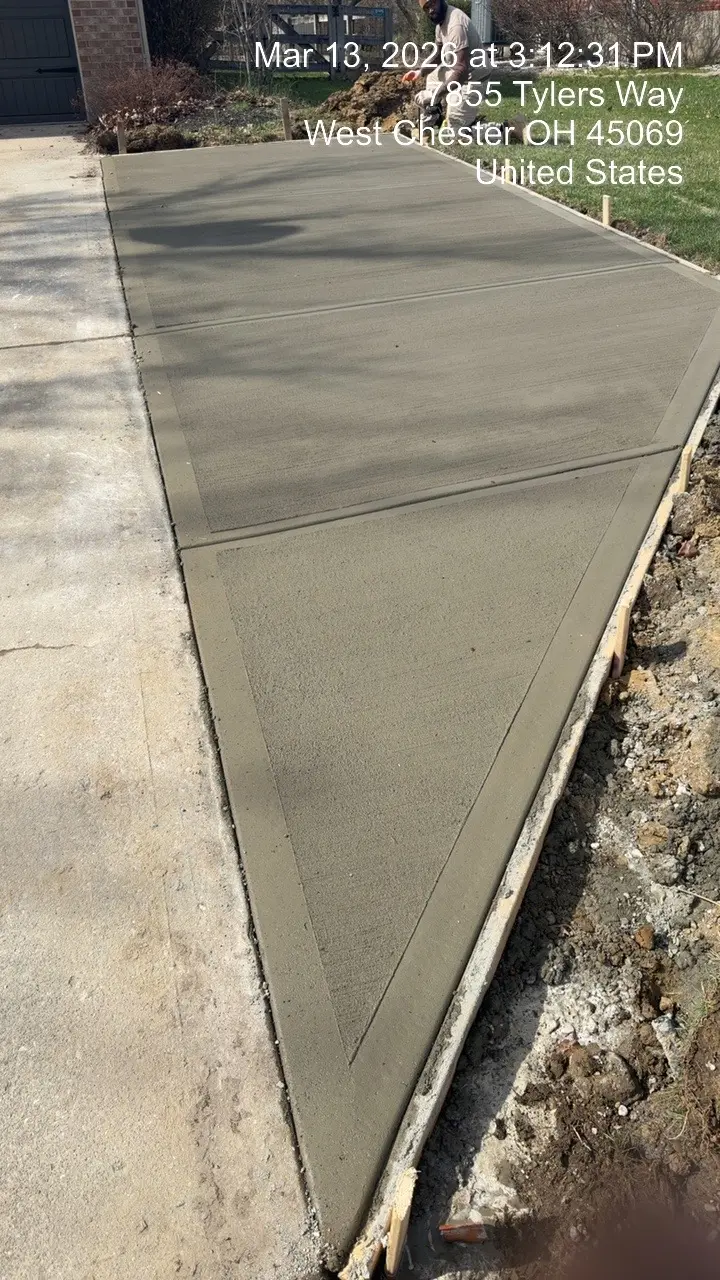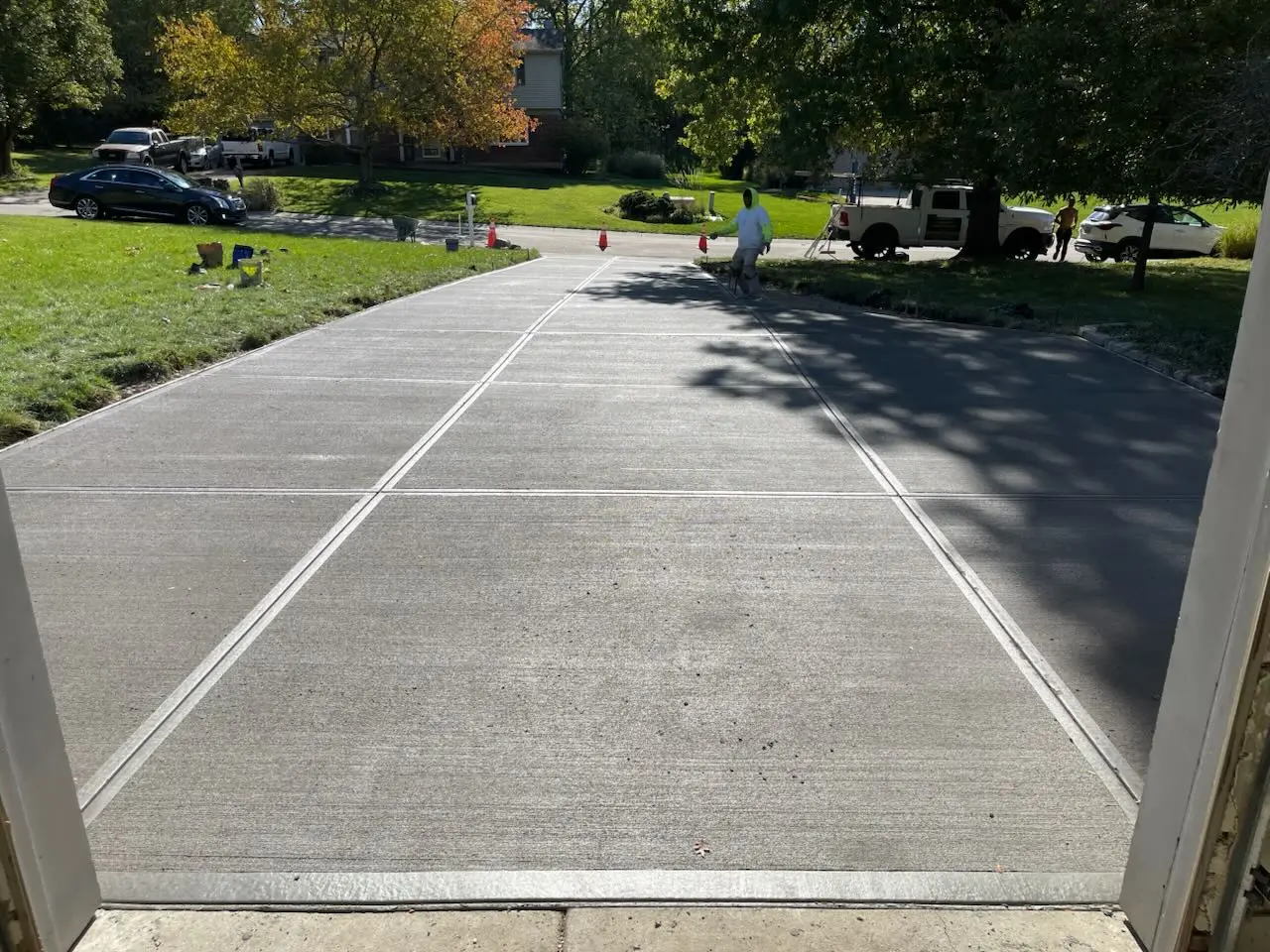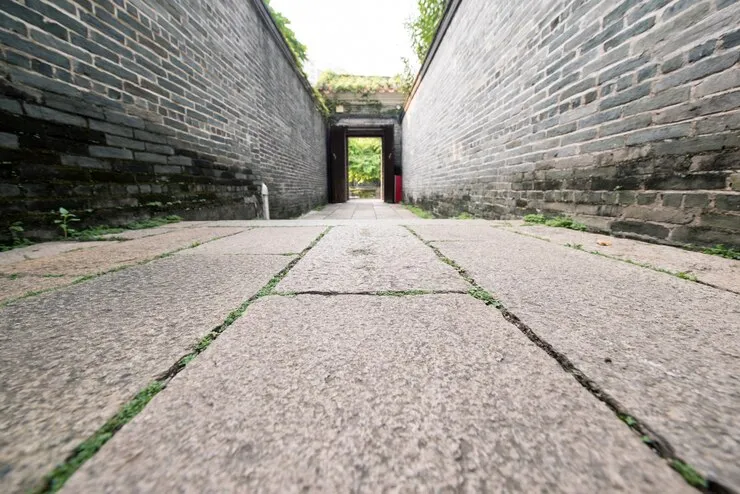
Summer is a great time to enjoy your outdoor spaces, but it can also be one of the toughest seasons for concrete. Many homeowners assume that cold weather is the primary threat to their driveway, yet prolonged heat, intense sunlight, and dry conditions can also contribute to wear and tear. Understanding the relationship between summer heat and concrete driveway performance can help you protect your investment and avoid costly repairs down the road.
If you have a concrete driveway in Cincinnati, knowing what signs to watch for during the summer months can make a significant difference in maintaining its appearance, safety, and longevity.
How Summer Heat Affects Concrete
Concrete is a durable material, but it naturally expands and contracts as temperatures change. During periods of intense summer heat, concrete expands. While this movement is normal, repeated expansion and contraction over time can place stress on the surface.
Common heat-related issues include:
- Small surface cracks
- Fading or discoloration
- Surface dryness
- Joint separation
- Increased wear in high-traffic areas
These issues may start small but can gradually develop into larger problems if left unaddressed.
Warning Signs to Watch For
Homeowners should inspect their driveways periodically throughout the summer. Catching minor issues early is often the best way to prevent expensive repairs later.
Look for:
Hairline Cracks
Small cracks can appear as concrete responds to heat and daily use. While minor cracking is common, widening cracks may indicate a need for professional attention.
Surface Fading
Strong UV exposure can cause a driveway to lose its original appearance over time. Although fading is often cosmetic, it may signal that the surface could benefit from maintenance or sealing.
Dry, Chalky Areas
If parts of your driveway appear unusually dry or powdery, the surface may be experiencing weather-related wear.
Uneven Sections
Changes beneath the concrete, combined with moisture fluctuations and temperature stress, can sometimes lead to shifting or uneven areas.
Practical Tips to Protect Your Driveway
Fortunately, there are several steps homeowners can take to minimize the effects of summer heat and concrete driveway deterioration.
Keep the Surface Clean
Removing dirt, debris, and stains helps prevent buildup that can trap moisture and contribute to surface damage.
Consider Periodic Sealing
A quality sealer can help protect concrete from moisture intrusion, UV exposure, and everyday wear.
Address Small Problems Early
Repairing minor cracks before they expand is typically more cost-effective than waiting until a larger repair or driveway replacement becomes necessary.
Monitor Drainage
Proper drainage remains important even during summer. Water pooling after storms can weaken the base beneath the concrete over time.
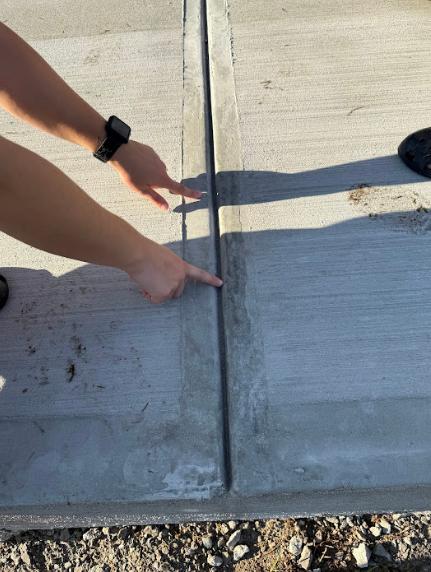
When to Schedule an Inspection
If you notice growing cracks, uneven surfaces, or signs of accelerated wear, it may be time to consult a concrete contractor. Professional evaluations can identify underlying issues before they become major problems and help extend the life of your concrete driveway in Cincinnati.
Keep Your Driveway Ready for Every Season
At Cost Effective Concrete, we understand how Cincinnati’s weather impacts concrete surfaces throughout the year. Whether you’re dealing with minor wear, seasonal maintenance concerns, or considering a future driveway replacement, we’re here to help.
Contact us today to schedule an evaluation, and we’ll work with you to keep your driveway durable, safe, and looking its best through every season.