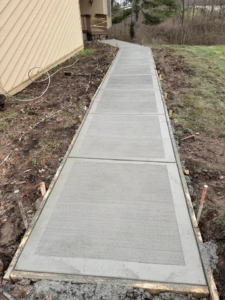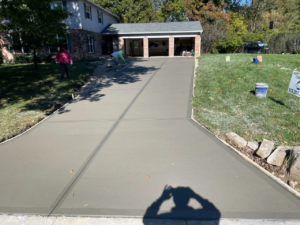
A walkway does more than connect your door to the street. It is the first thing guests step on. It is also the path you use every day, in every season. When it is cracked, narrow, or slick, it becomes a daily risk.
The right upgrades can change that. A concrete walkway should feel safe and welcoming for kids, seniors, and anyone with limited mobility. Even a small concrete repair can make a big difference. Here are six practical ways to improve yours now.
1. Repair Cracks and Trip Hazards
Raised edges are the most common problem. Tree roots, frost, and settling push slabs out of line. Even a small lip can catch a toe.
These lifts are easy to miss when you walk the path daily. Try looking at it with fresh eyes.
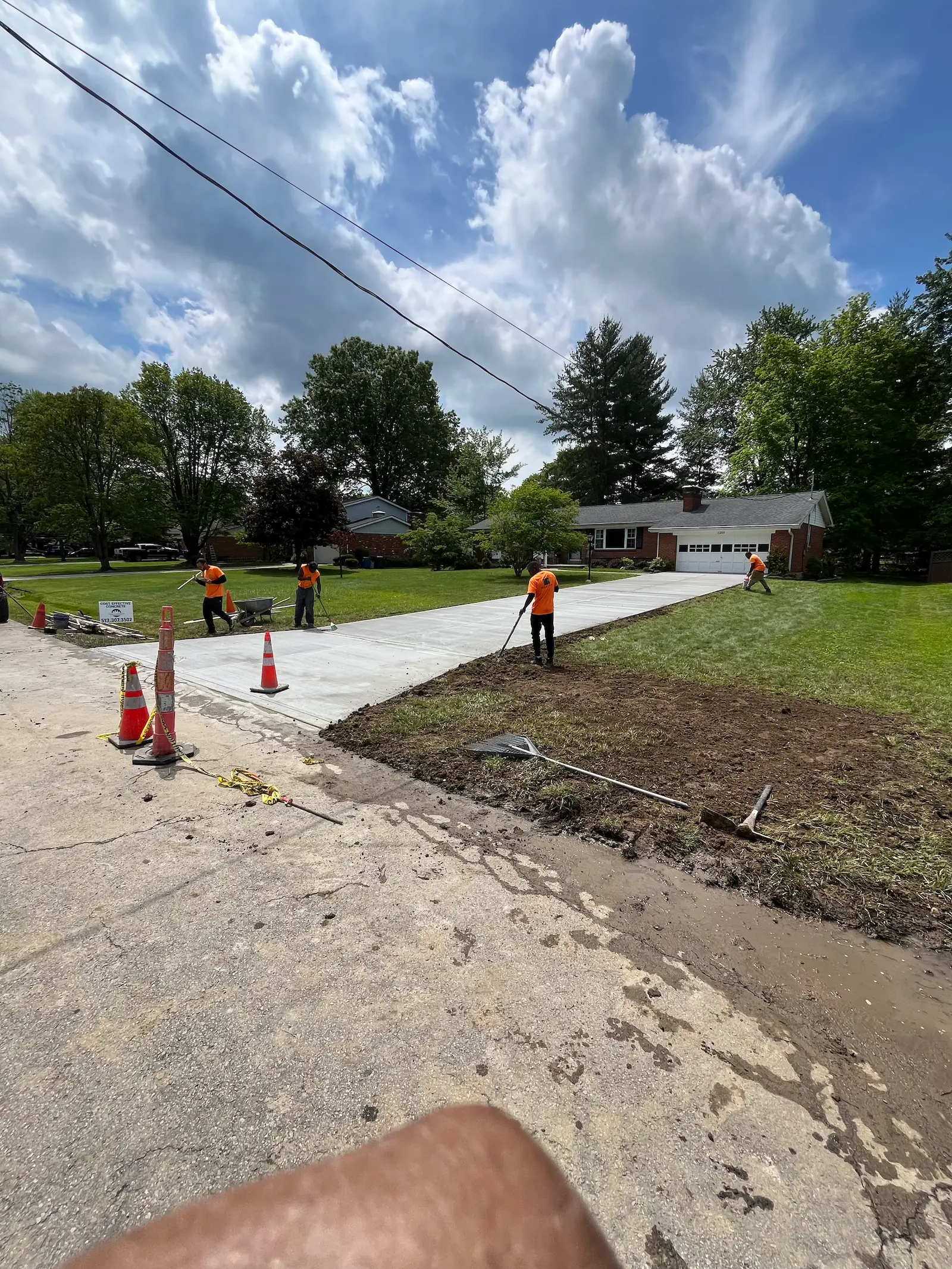
Prompt concrete sidewalk repair removes these hazards early. Crews can replace sections that have shifted. They can also fill cracks before water gets in and makes things worse. Ohio’s freeze-thaw cycles make this step especially important.
2. Widen the Path
Narrow paths are hard for two people to share. They are even harder for a wheelchair, walker, or stroller. The ADA Standards call for accessible routes at least 36 inches wide. Home walkways are not always covered by these rules, but they make a useful benchmark. Many homeowners go wider to leave extra room.
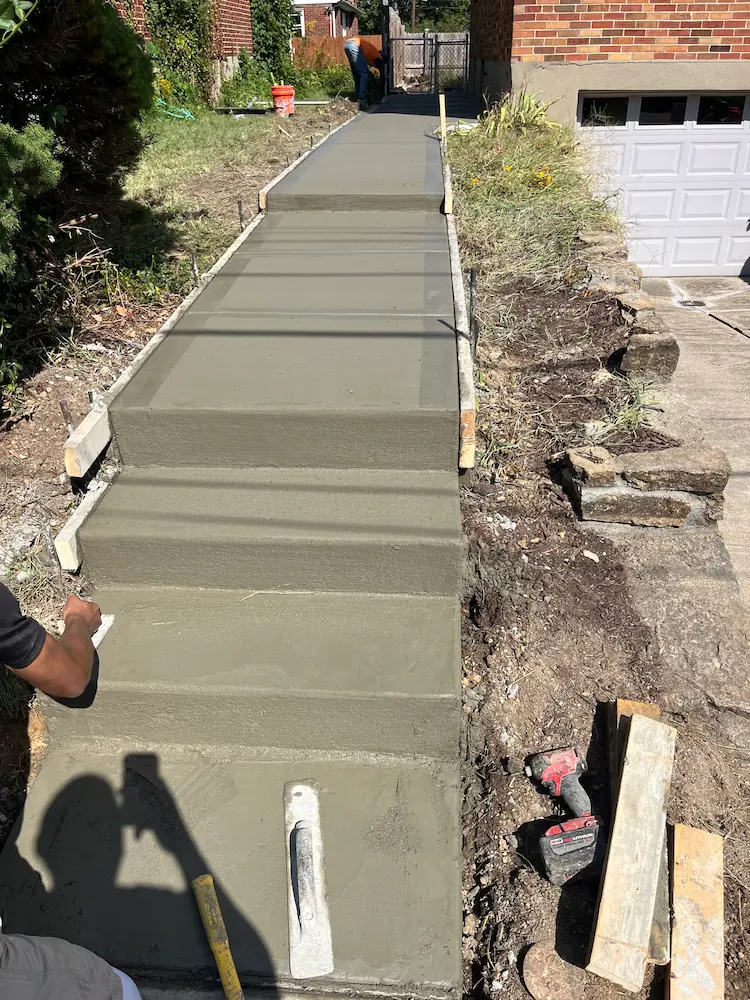
Wider paths also help with everyday tasks. You can carry groceries, push a wheelbarrow, or walk side by side with a child. If your path is tight, widening it is often a simple pour along one edge.
3. Smooth Out the Slope
Steep paths are tiring and risky. The same standards keep the running slope of an accessible route at 1:20, or 5 percent, or less. Cross slope should be no steeper than 1:48. Anything steeper than 1:20 is treated as a ramp, which needs handrails and landings.
Gentle grades also help water run off. If your yard is steep, a planned ramp may work better than a long incline.
Landing areas help too. A flat spot at the door gives people space to pause, open the door, and step inside safely. This matters most for anyone who uses a cane or walker.
4. Choose a Slip-Resistant Finish
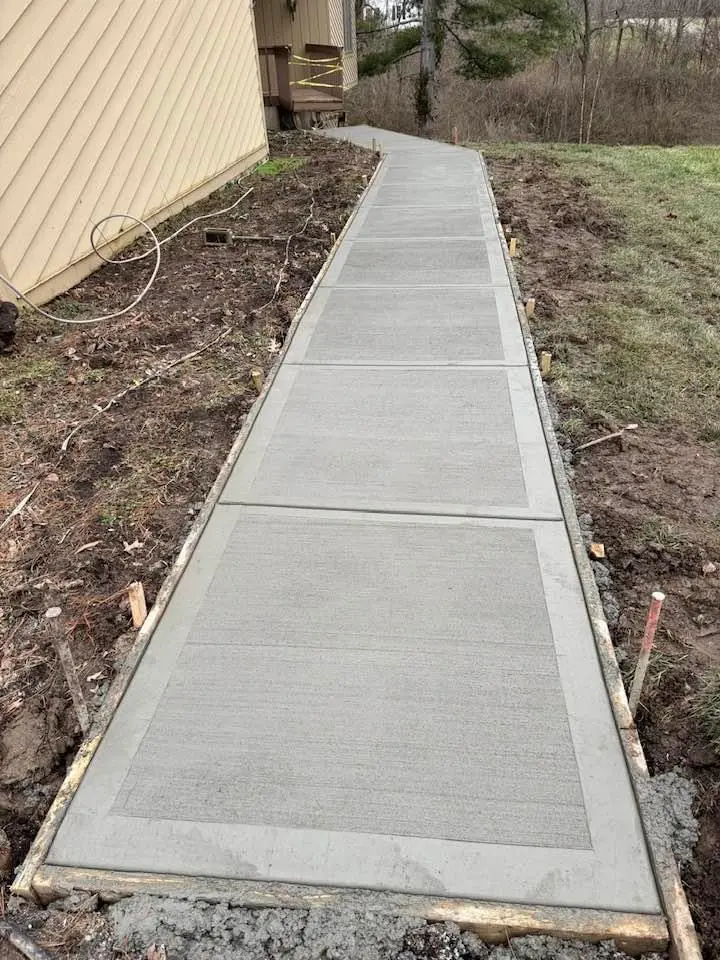
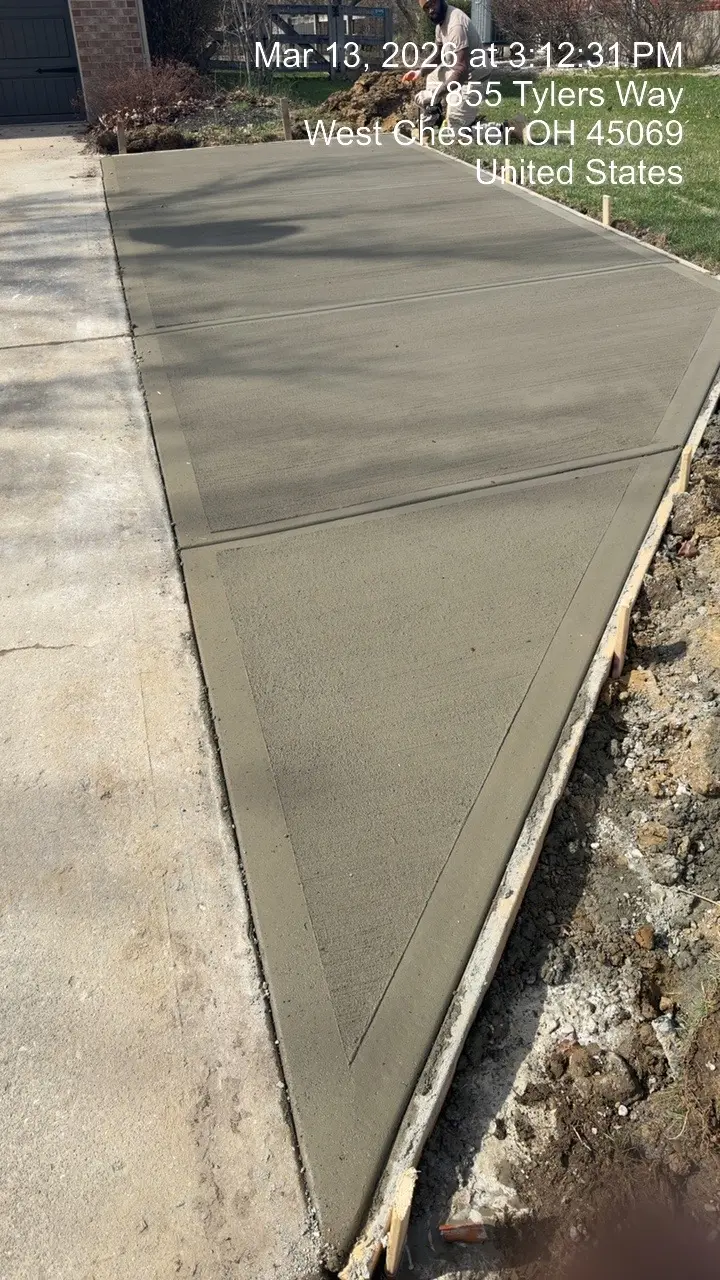
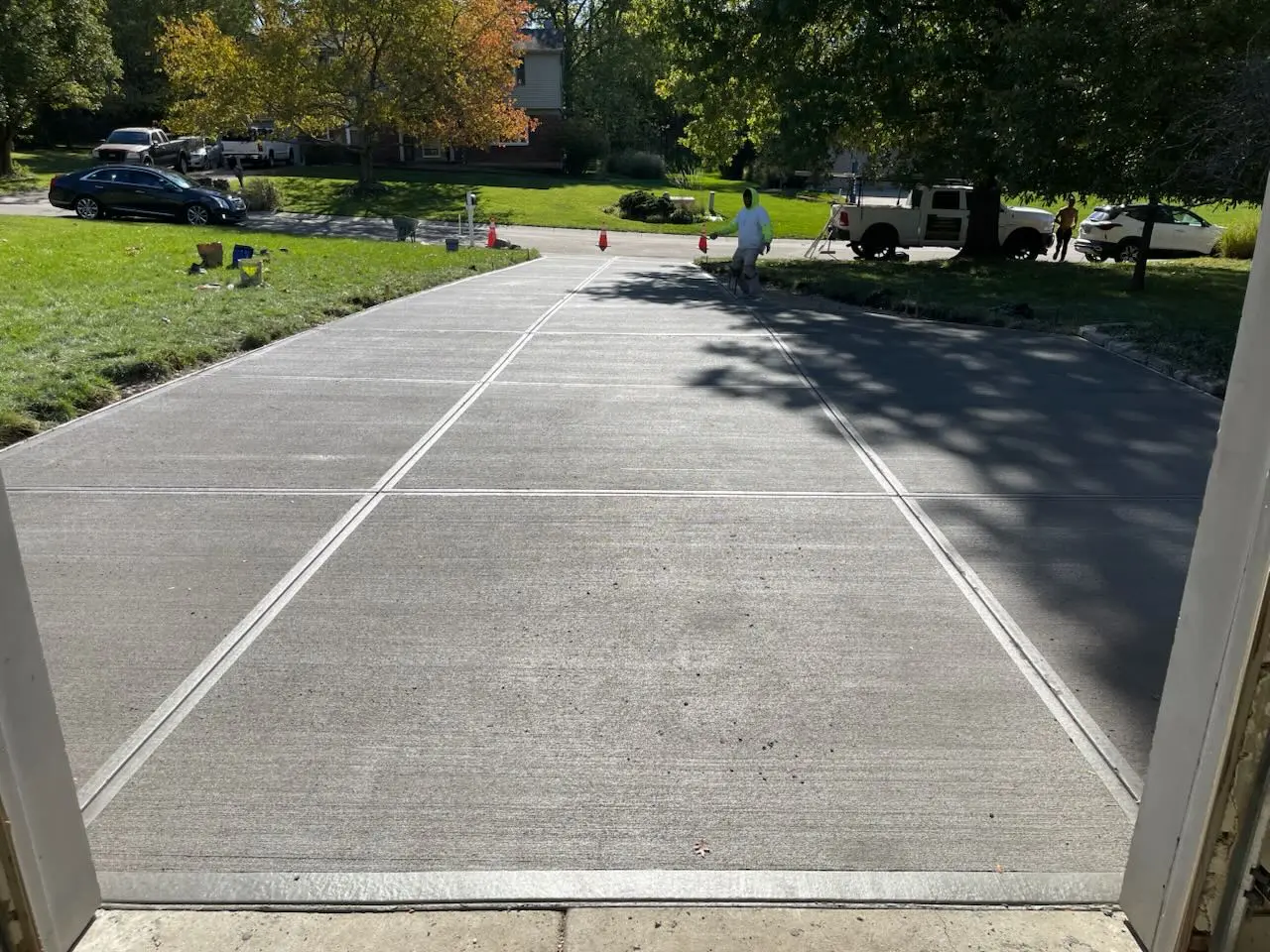
A glassy trowel finish gets slick when wet. A light broom finish adds grip without making the surface hard to walk or roll on. It also helps in winter and after rain.
Surface texture is one of the cheapest safety upgrades available. It is also easy to plan for during a new pour. Ask your crew which finish suits your path.
5. Improve Drainage
Pooled water leads to ice, algae, and cracks. Good grading sends water away from the path and the house. Sometimes a small slope adjustment solves a puddle problem. In other cases, the path needs to be replaced to correct the grade.
Pay attention to where roof gutters and downspouts empty. Water that lands on the path every storm will wear it down faster. Redirecting it can protect your investment.
6. Connect Steps, and Entries
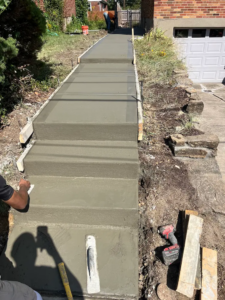
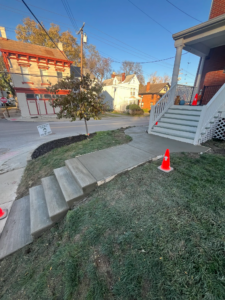
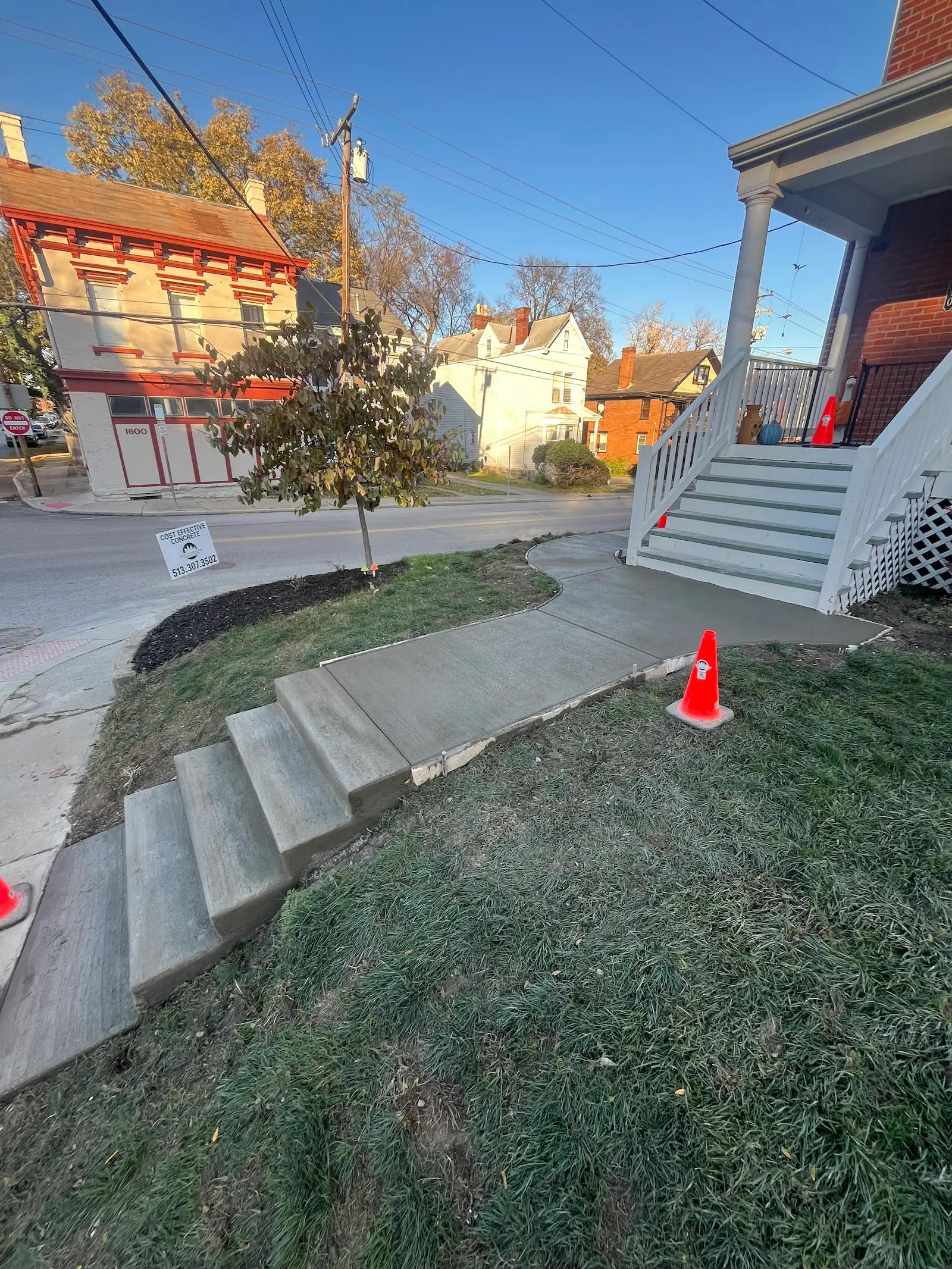
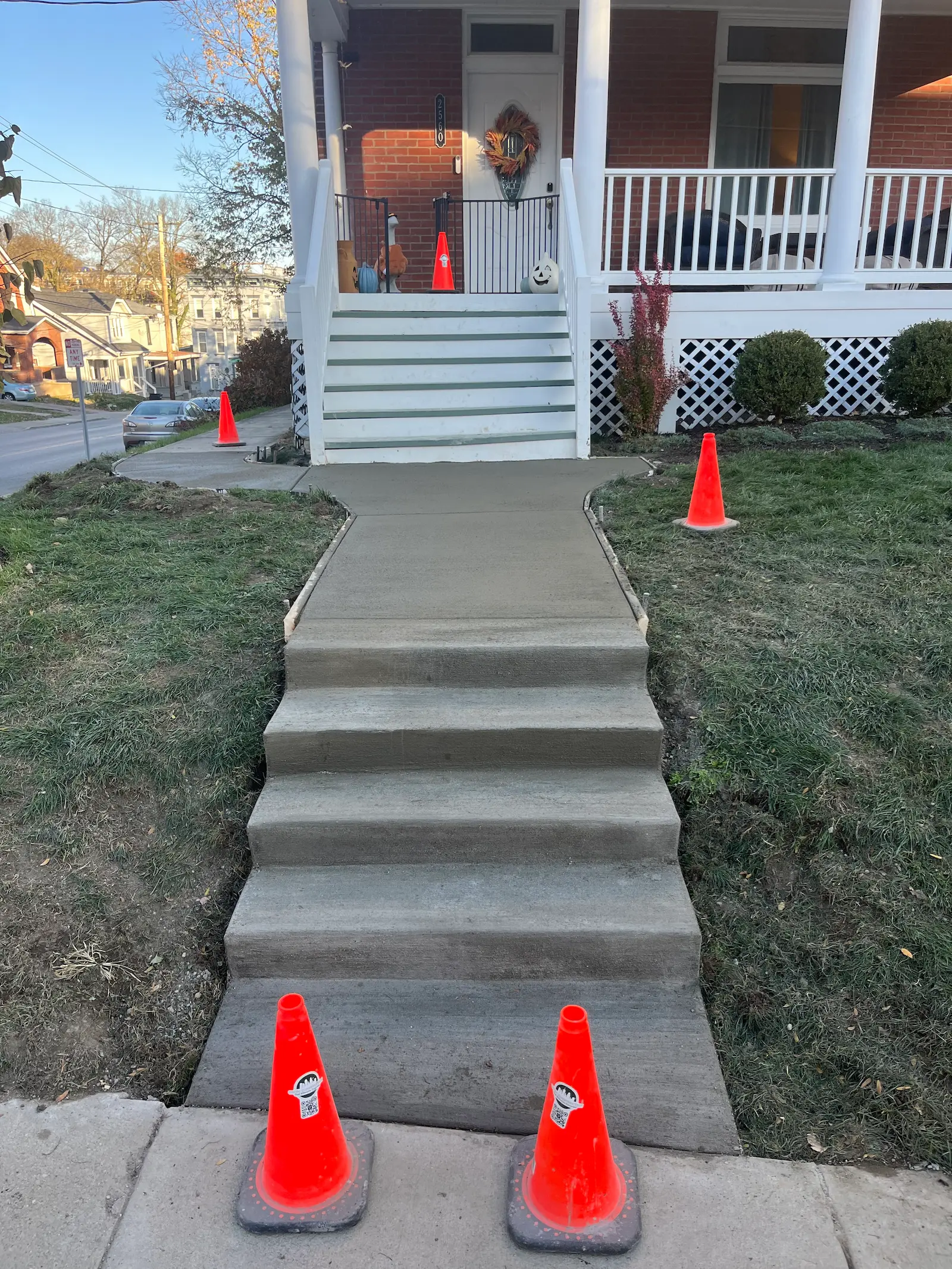
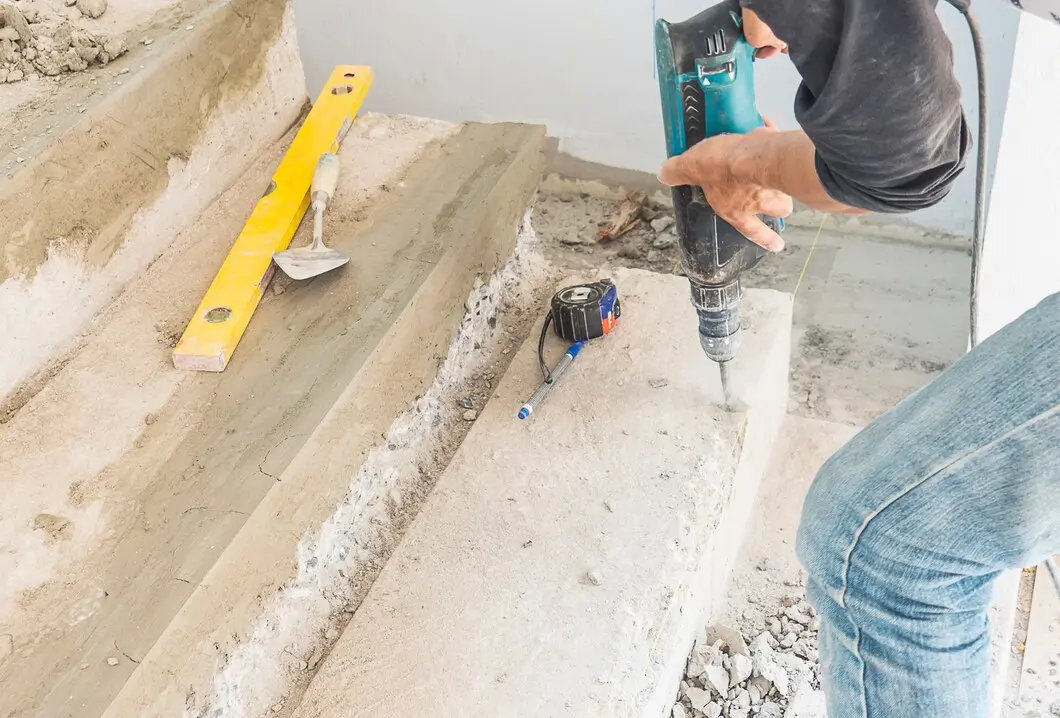
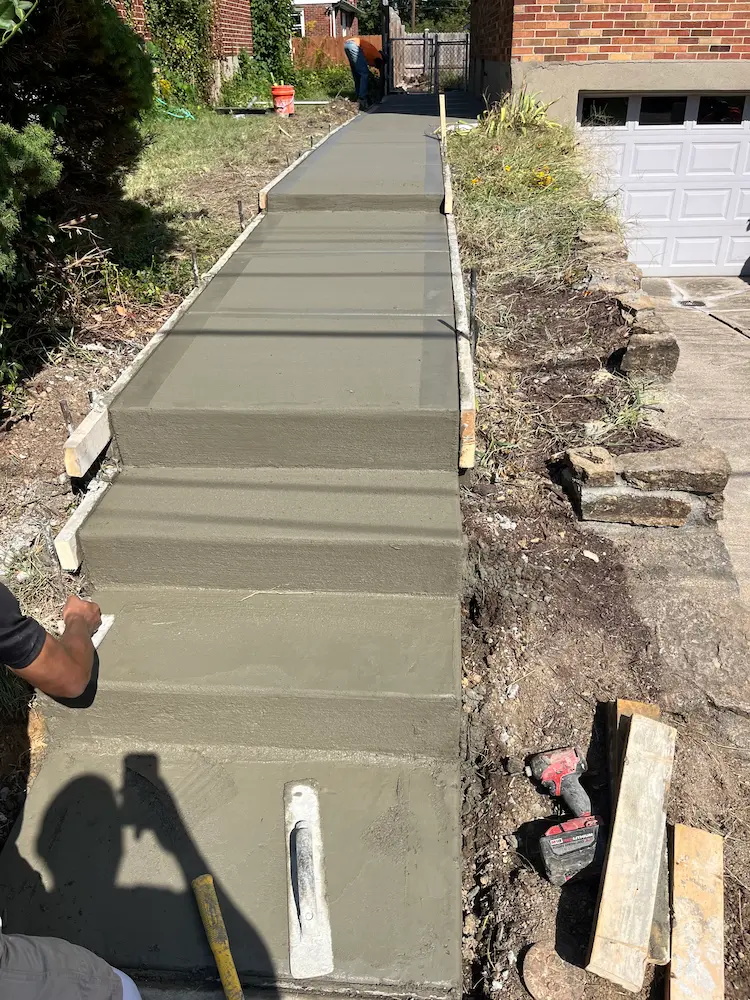
Many walkways lead to steps. These transitions are where trips and falls happen. Make sure landings are level and steps are even. Concrete steps repair can fix crumbling edges and uneven risers. Handrails are another smart addition at steps. They give support to people of all ages. A sturdy rail anchored in sound concrete makes a real difference.
For public sidewalks, the U.S. Access Board’s right-of-way guidelines are a helpful reference.
How Our Team Can Help
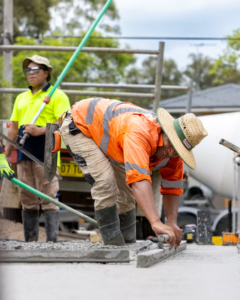
At Cost Effective Concrete, we help homeowners turn worn paths into safe, comfortable ones. As a residential concrete contractor, we look at slope, width, drainage, and surface condition before we recommend a fix. We explain your options clearly so you can choose what fits your home and budget.
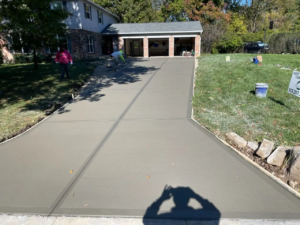
Our concrete services cover new walkways, step repair, and more. Experienced concrete contractors know that small details, such as grade and finish, decide how a path performs for years.
If you want a concrete walkway that Cincinnati residents can use with confidence, we are ready to help. Visit our servicespage to learn more or contact usdirectly with your questions.