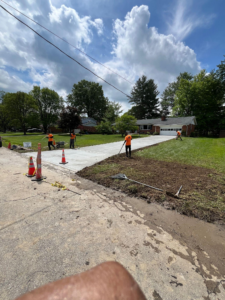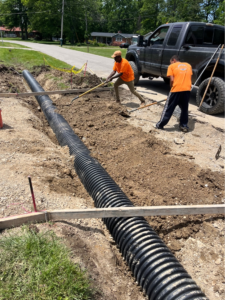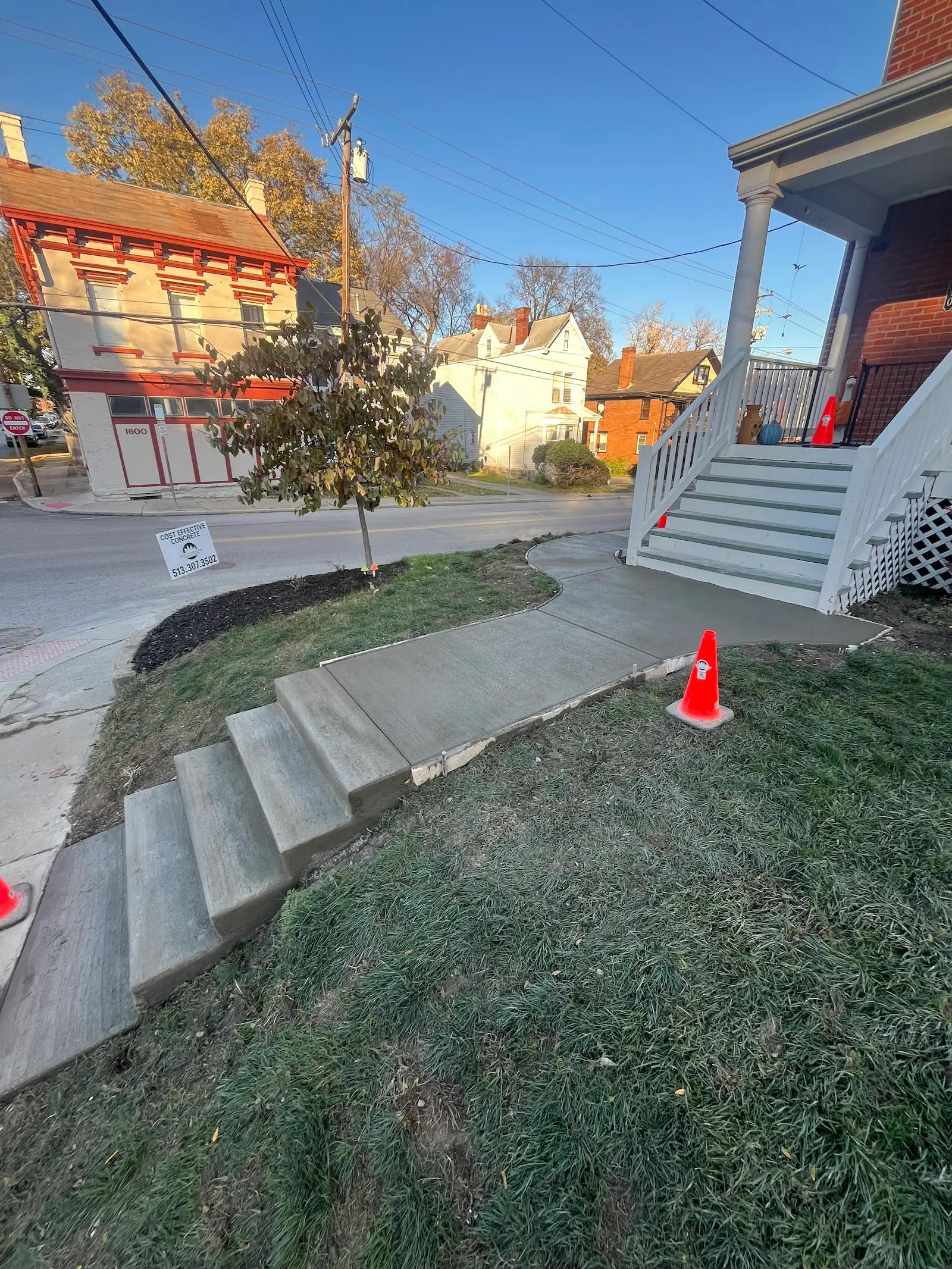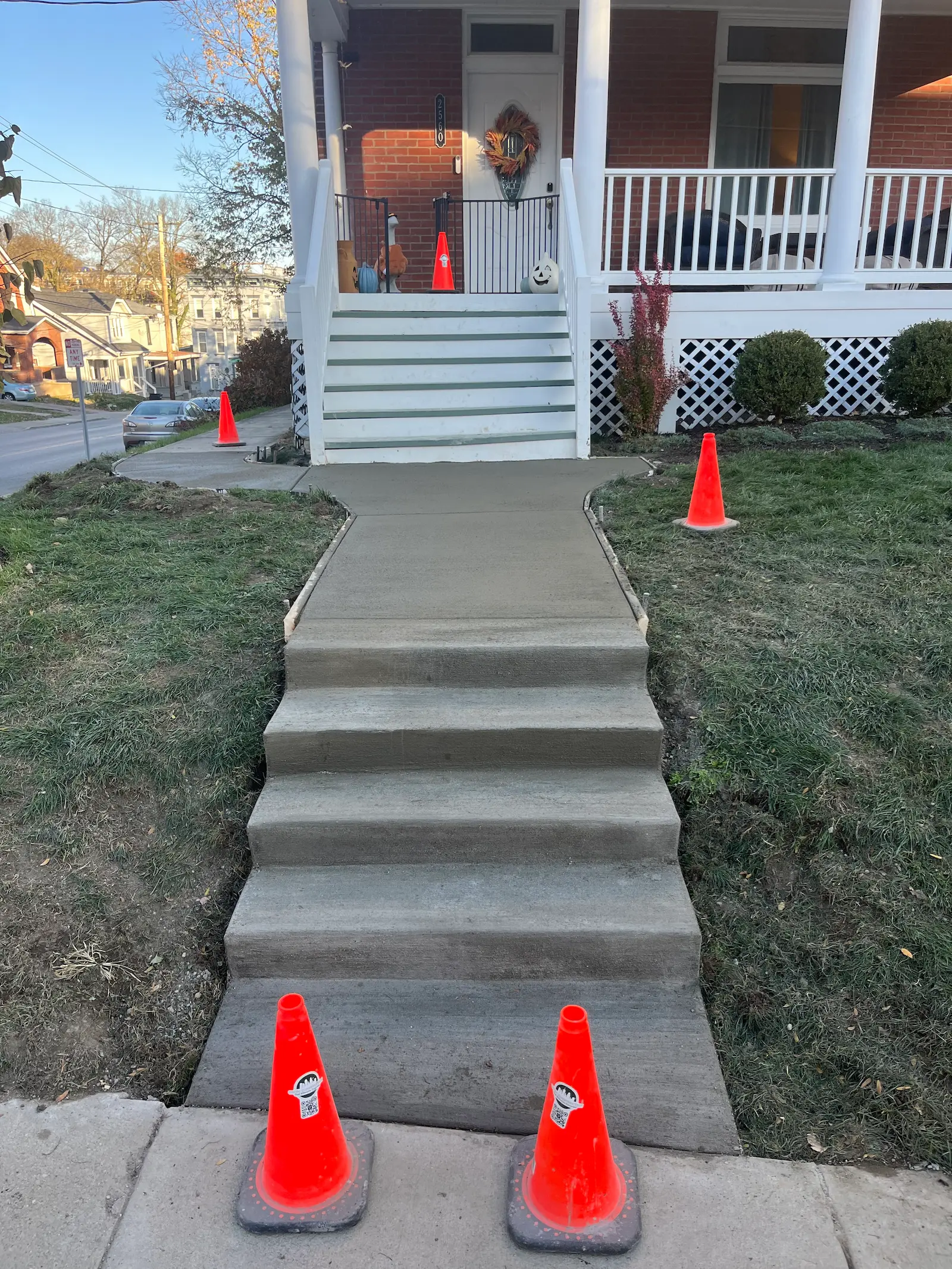
Not every concrete problem calls for a complete replacement. Sometimes, repairing a damaged step, improving a walkway, or replacing a worn section of driveway is enough to make a noticeable difference around your property. These smaller projects can address everyday inconveniences, improve access, and help you maintain your home’s exterior without committing to a large-scale renovation.
For homeowners, working with a reliable concrete contractor in Cincinnati can help identify which areas need attention and which can remain as they are. The goal is to find practical solutions that suit your property’s condition, your household’s needs, and your budget.
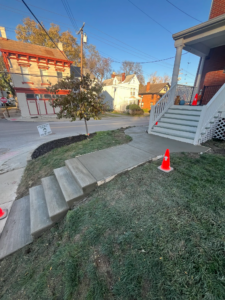
1. Repairing Damaged Concrete Steps
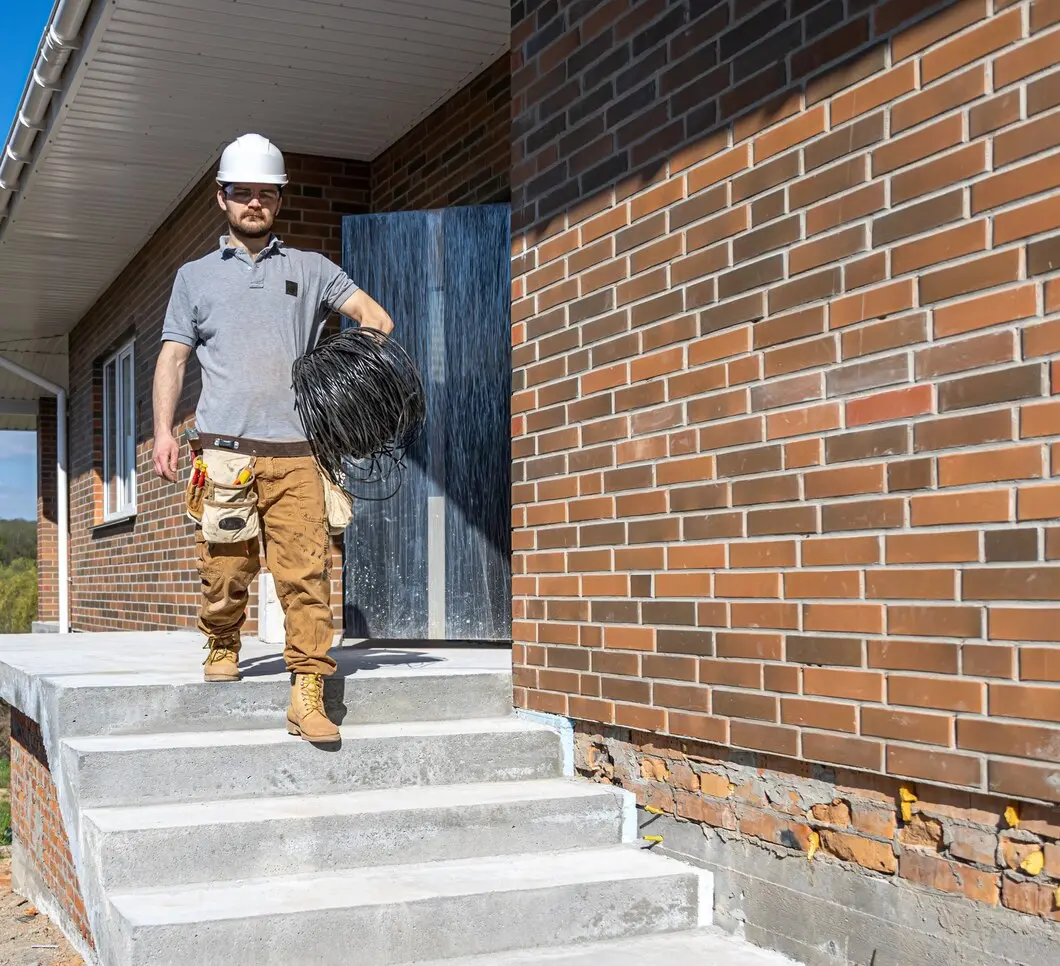
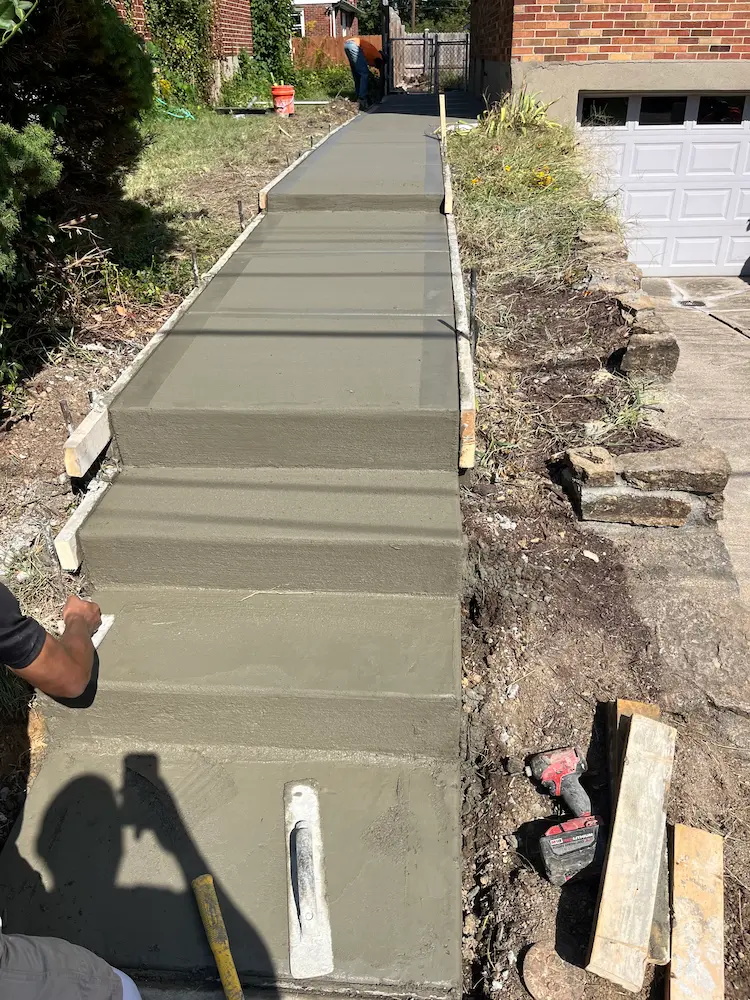
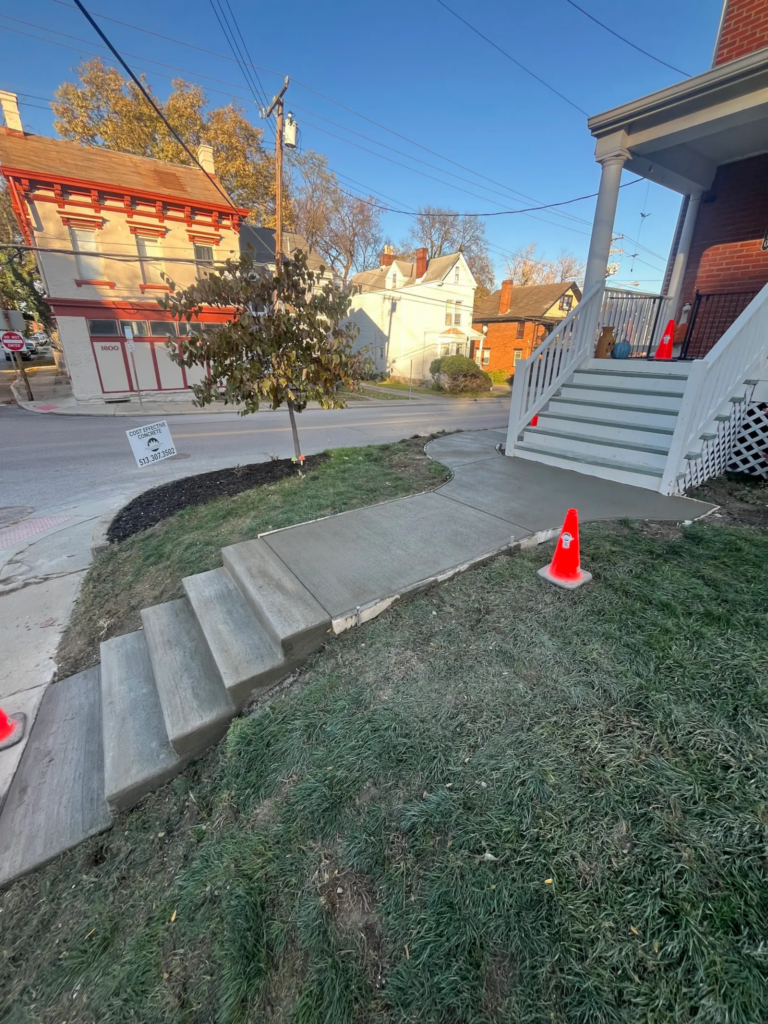
Concrete steps experience regular foot traffic and exposure to changing weather. Over time, edges can chip, surfaces can deteriorate, and uneven areas may develop. Even a relatively small defect can make entering or leaving your home less comfortable.
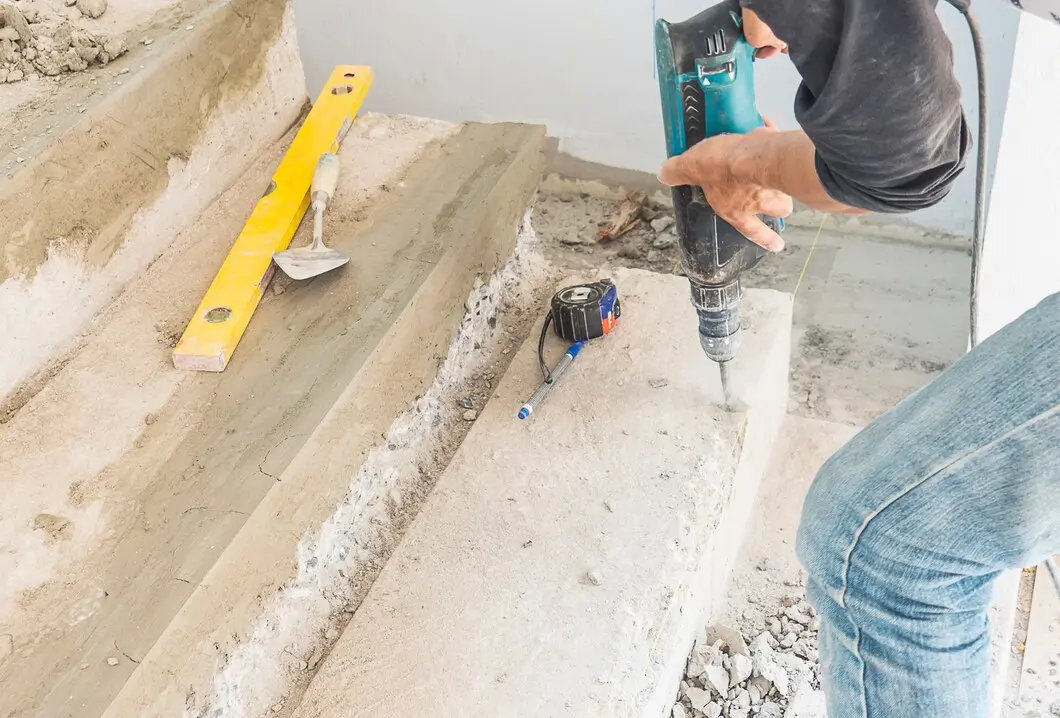
Repairing damaged steps can restore a more even walking surface and improve access to entrances, porches, and garages. The right approach depends on the extent of the damage. Minor surface issues may require a different solution than deep cracks, shifting, or significant deterioration.
A professional assessment can help determine whether a targeted repair is appropriate or whether the steps need more extensive work. Addressing the problem early can also help homeowners avoid leaving a damaged entrance unattended.
2. Making Walkways Easier to Navigate
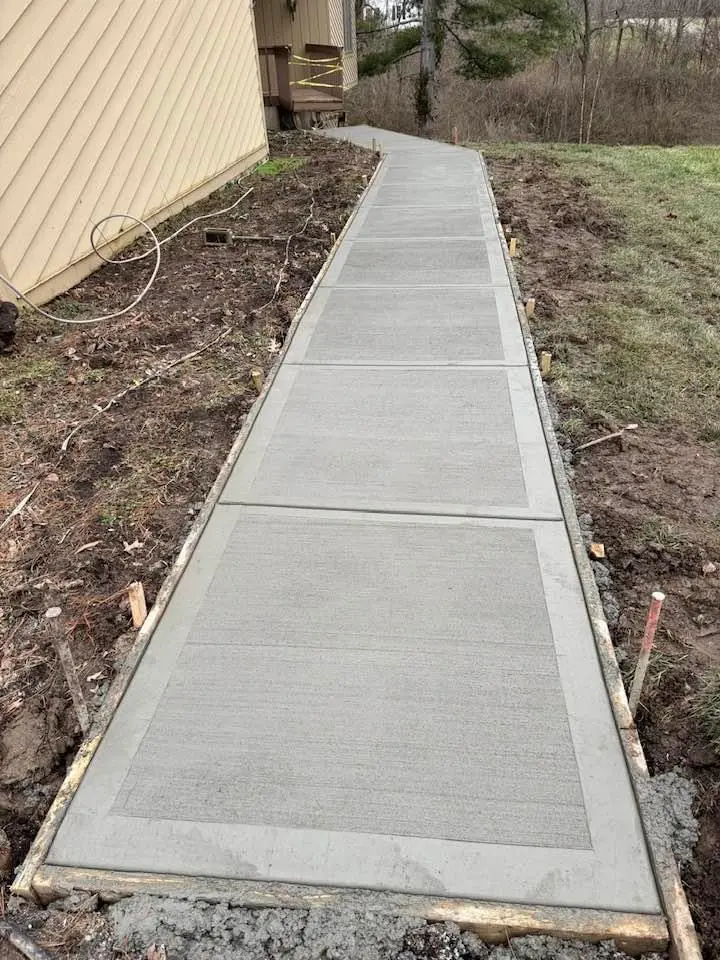
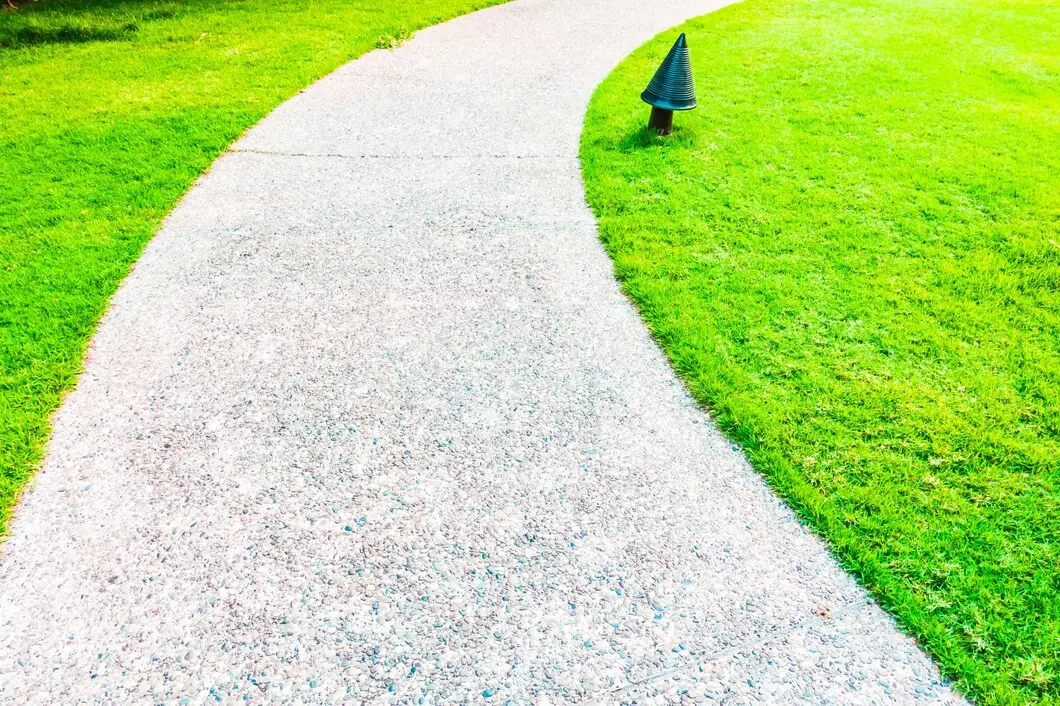
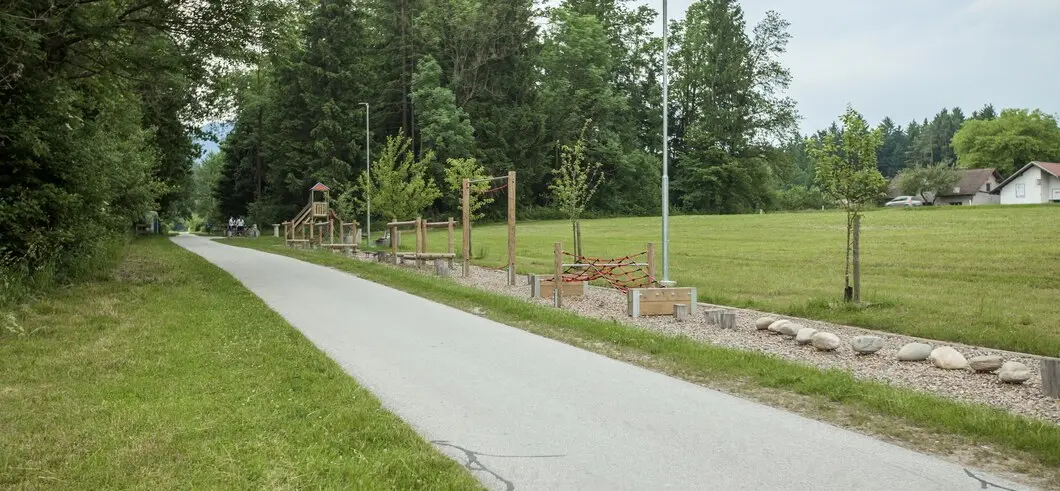
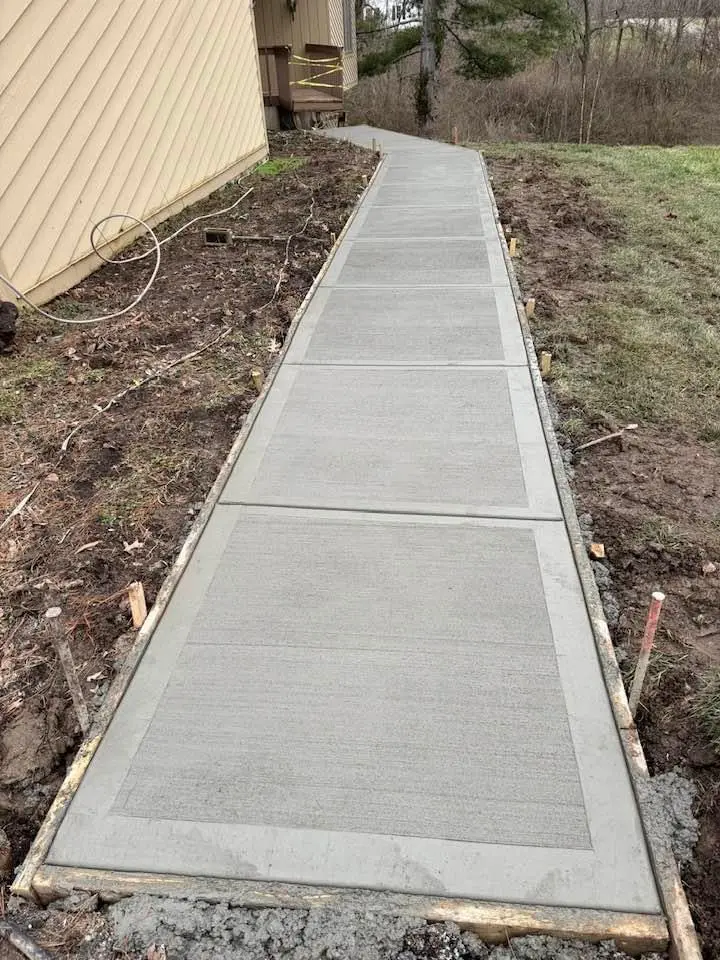
A walkway connects the parts of your property you use every day, from the driveway to the front door, garden, or backyard. Cracked, uneven, or poorly positioned sections can make these routes harder to navigate, particularly for children, older adults, and visitors carrying bags or other items.
Improving a walkway does not always mean replacing the entire path. Depending on its condition, the project may involve repairing a damaged section, adjusting the layout, or creating a more direct route to an entrance.
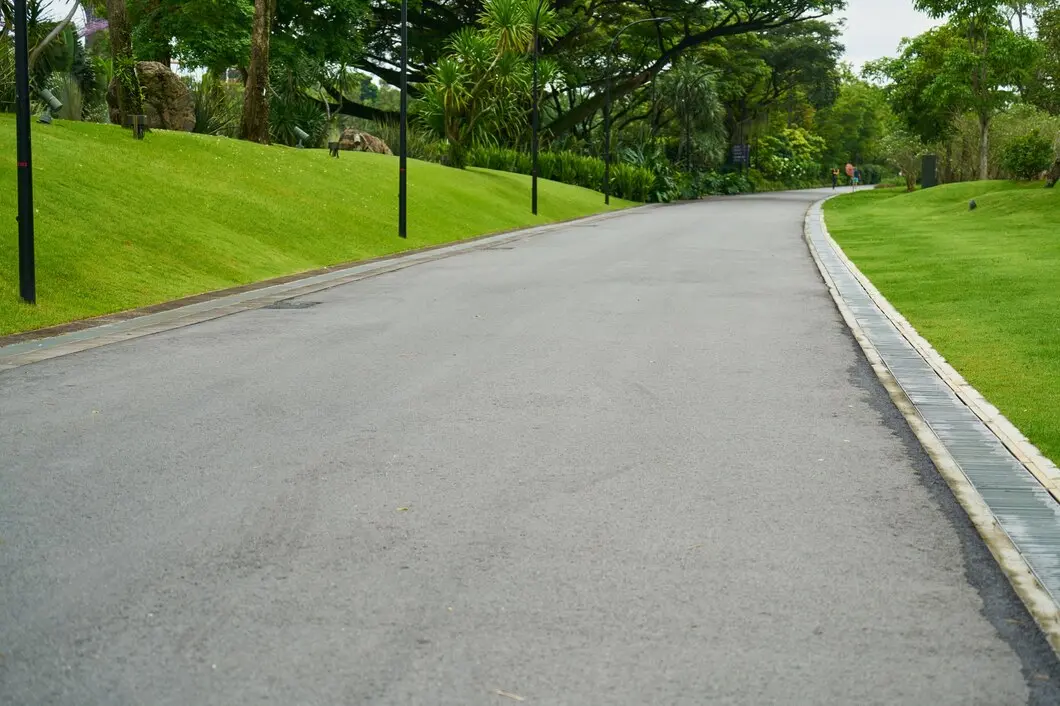
When planning concrete walkway improvements, consider how people move around your property. A practical path should provide convenient access while accounting for drainage, surrounding landscaping, and changes in ground level. The U.S. Access Board’s accessible routes guidance offers useful information about route surfaces, slopes, and accessibility considerations.
3. Fixing Sidewalk Problems Before They Worsen
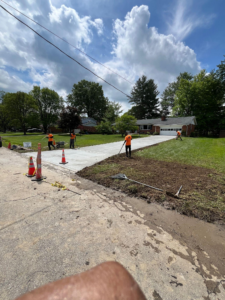
Sidewalks are easy to overlook until a crack, uneven panel, or deteriorating edge becomes difficult to ignore. However, damaged concrete can affect how comfortably people move between the street, driveway, and home.
Concrete sidewalk repair in Cincinnati may be worth considering when a limited section has deteriorated, but the surrounding sidewalk remains in serviceable condition. Repairing or replacing the affected area can improve the walking surface without automatically requiring work across the entire length.
It is also important to understand why the damage occurred. Soil movement, water exposure, tree roots, and other site conditions may contribute to sidewalk problems. If the underlying cause remains unaddressed, similar issues could return.
Before starting work on a sidewalk near the street, check applicable local requirements. Public sidewalks and areas within the right-of-way may be subject to specific rules about repairs, permits, or responsibility.
4. Improving a Worn or Damaged Driveway Section
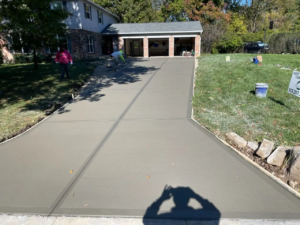
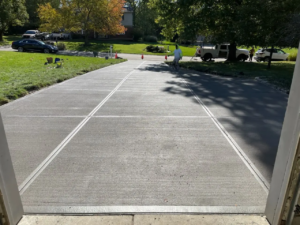
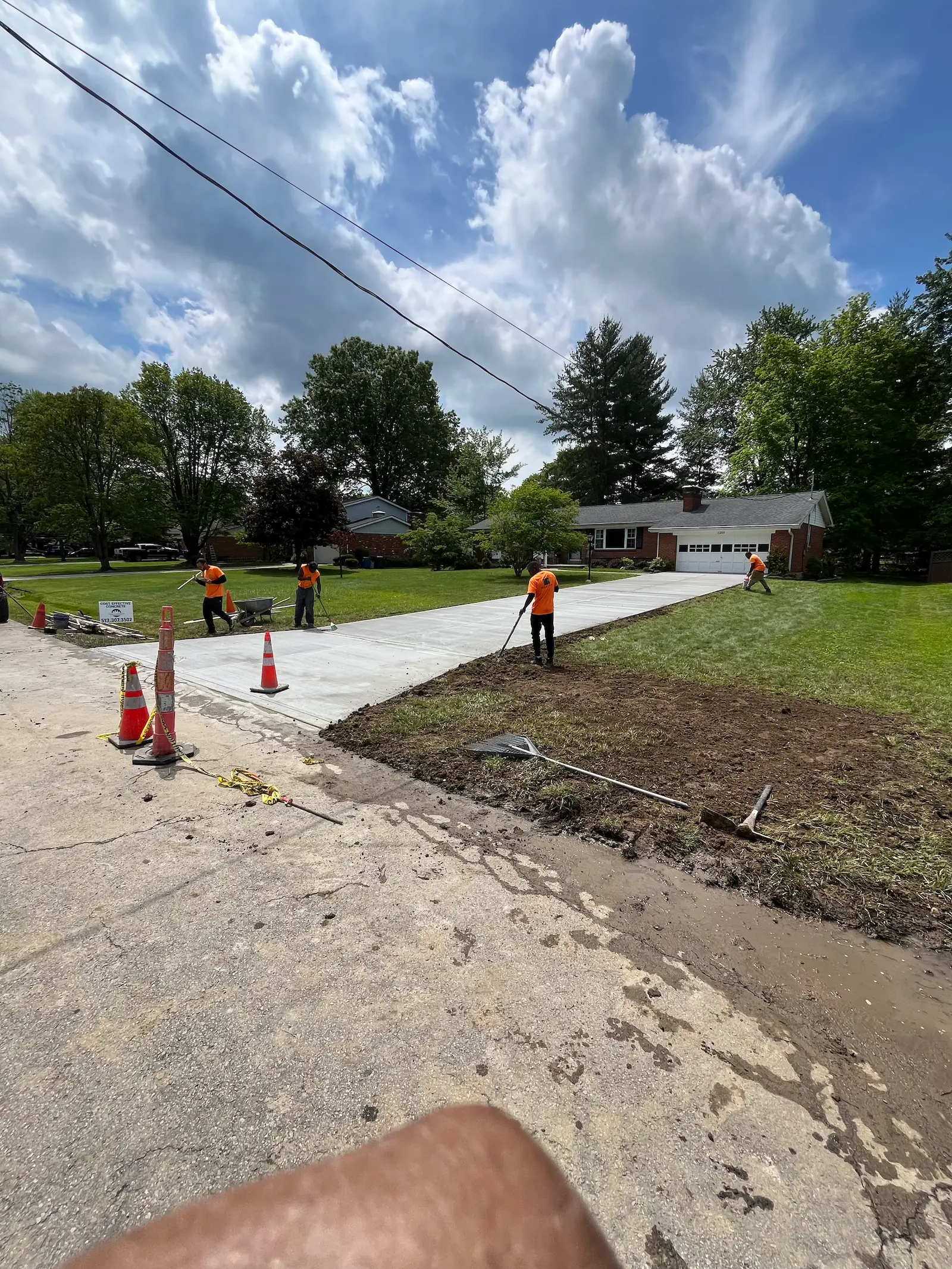
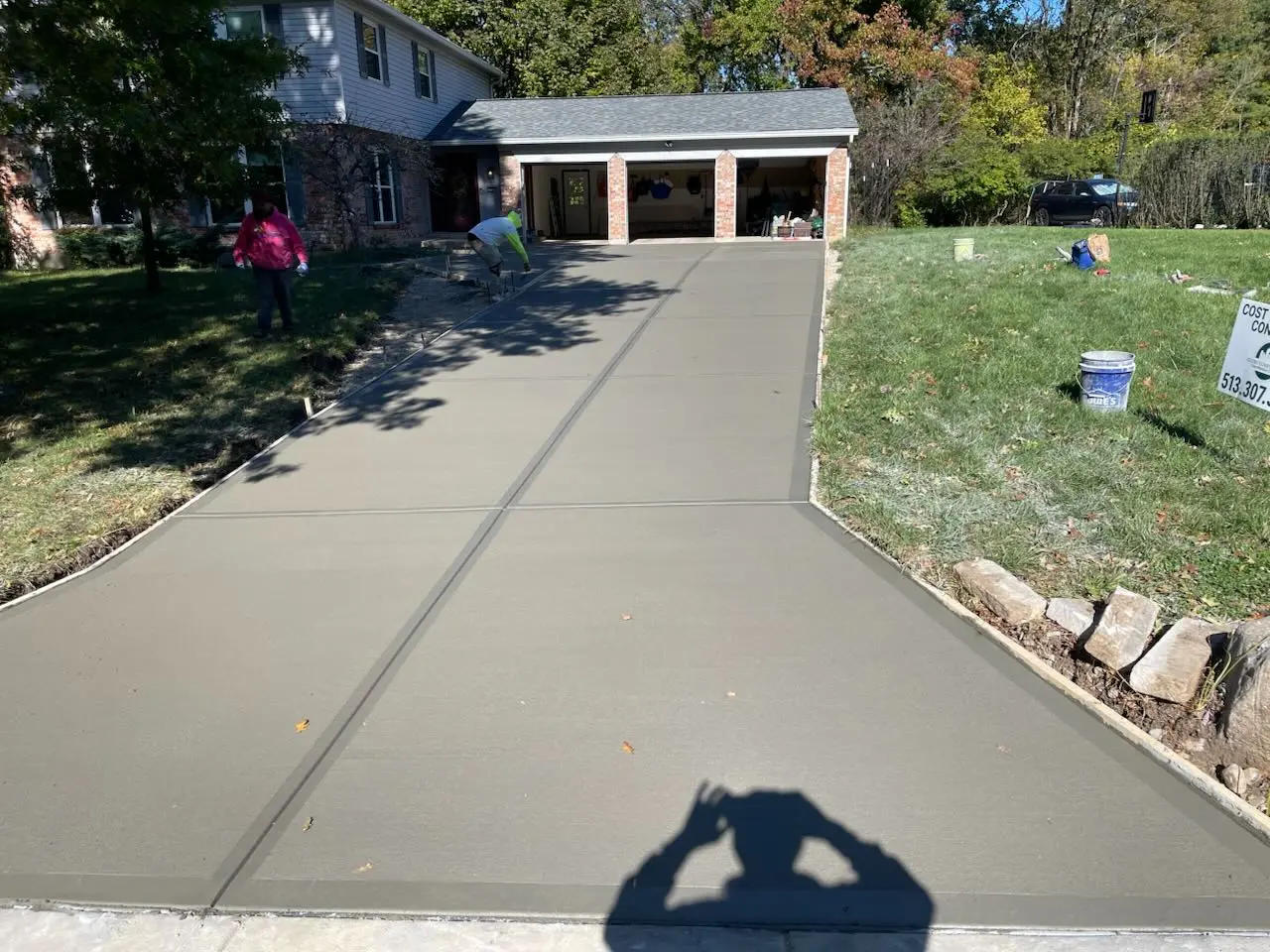
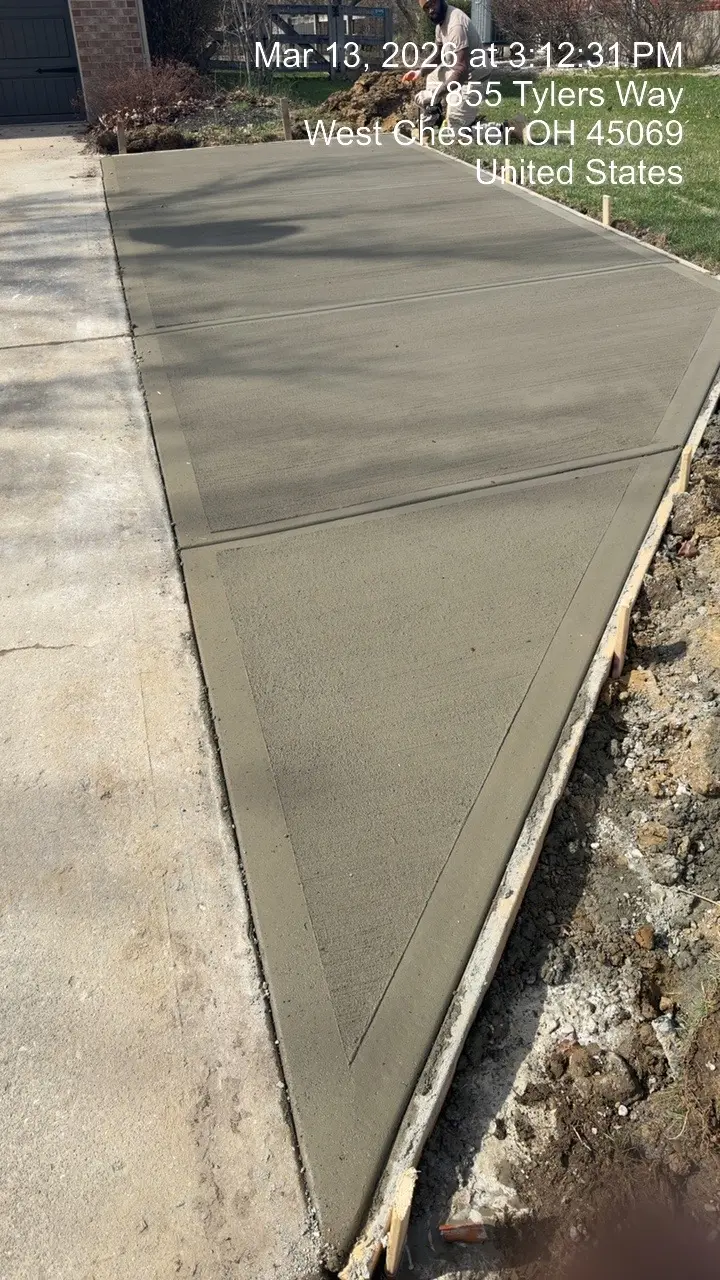
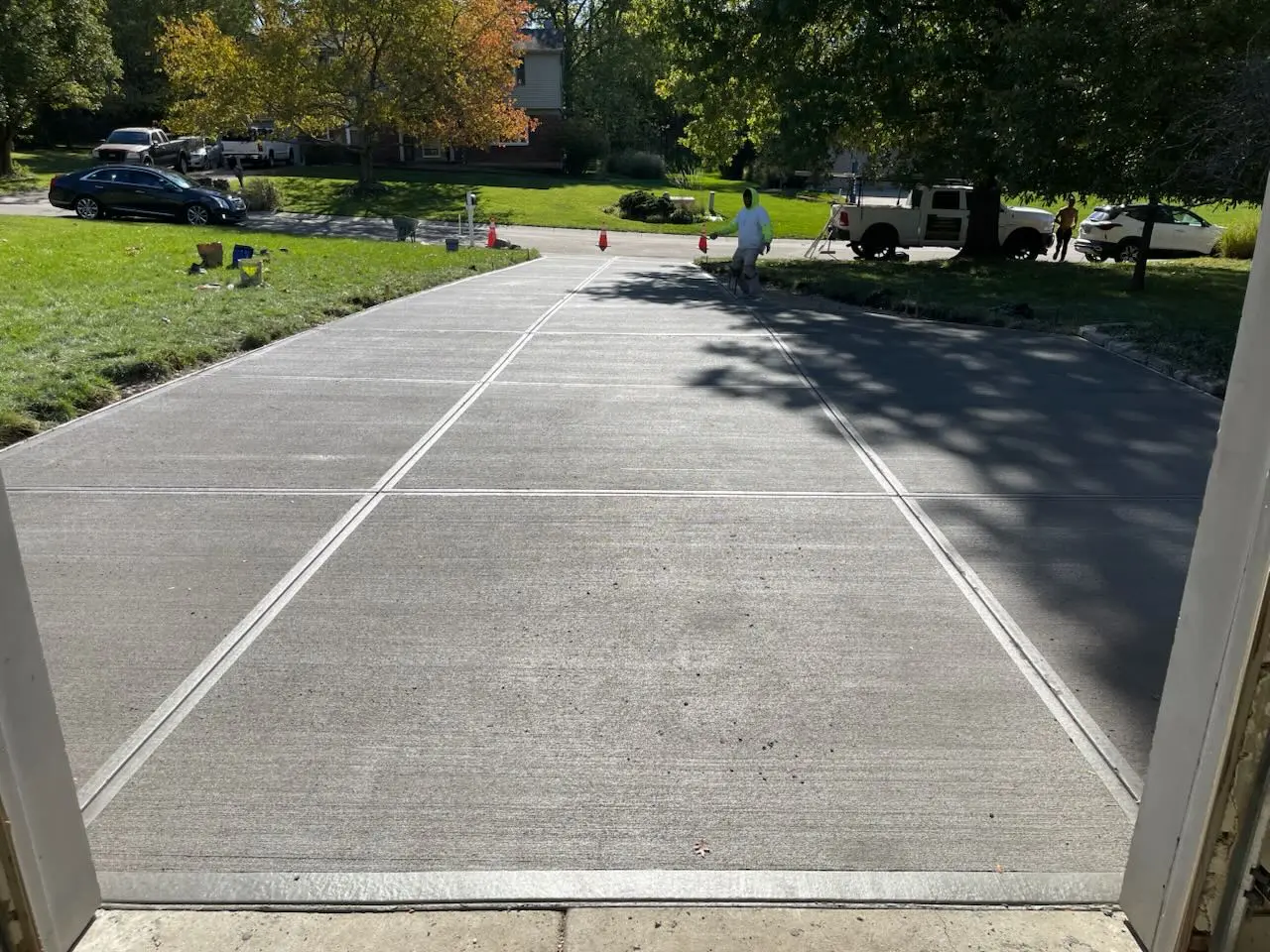
A driveway can develop isolated areas of cracking, surface deterioration, or damage where vehicles regularly turn or park. If the rest of the driveway is still in reasonable condition, a full replacement may not be the only option worth exploring.
A concrete driveway repair assessment can help establish whether the affected section can be addressed separately or whether the damage points to a wider problem with the slab or its foundation. The condition of the concrete, the extent of cracking, drainage, and the stability of the supporting ground all influence the decision.
Small driveway improvements can also make daily use more convenient. Repairing a deteriorated edge or addressing a troublesome section may improve the overall usability of the space, depending on the underlying conditions.
5. Addressing Drainage Around Small Concrete Areas
Water management matters even for relatively small concrete projects. Water that collects near steps, runs across a walkway, or pools beside a driveway can contribute to surface deterioration and create slippery conditions in colder weather.
Before repairing or adding concrete, consider where rainwater flows and whether the existing slope directs it away from areas where it causes problems. The U.S. Environmental Protection Agency’s stormwater guidance explains how managing runoff can help reduce its effects on developed properties.
A contractor can assess grading and drainage as part of the project rather than treating the concrete surface in isolation. This is especially useful when a damaged area appears to be affected by recurring water exposure.
6. Choosing the Right Size of Project
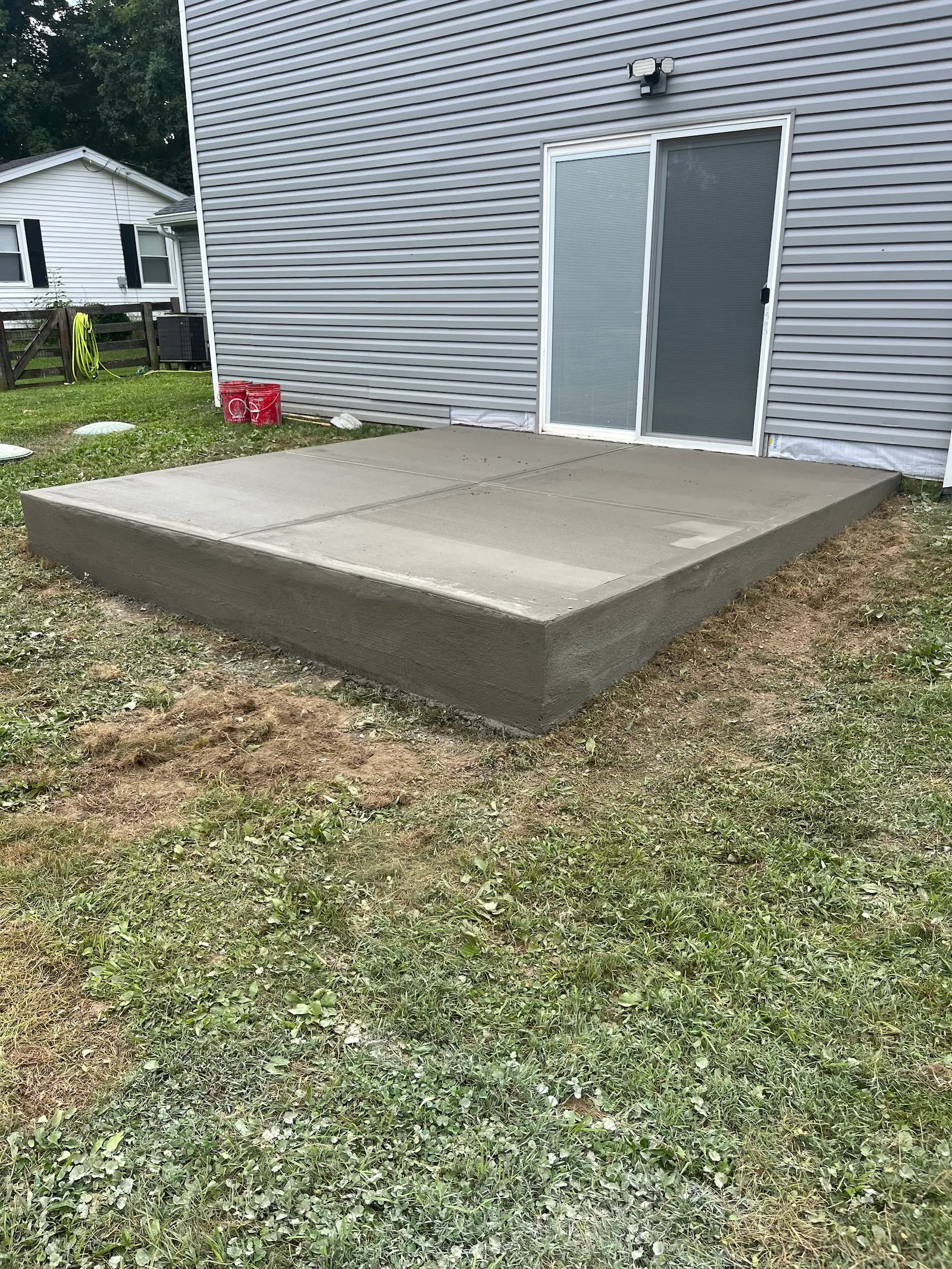
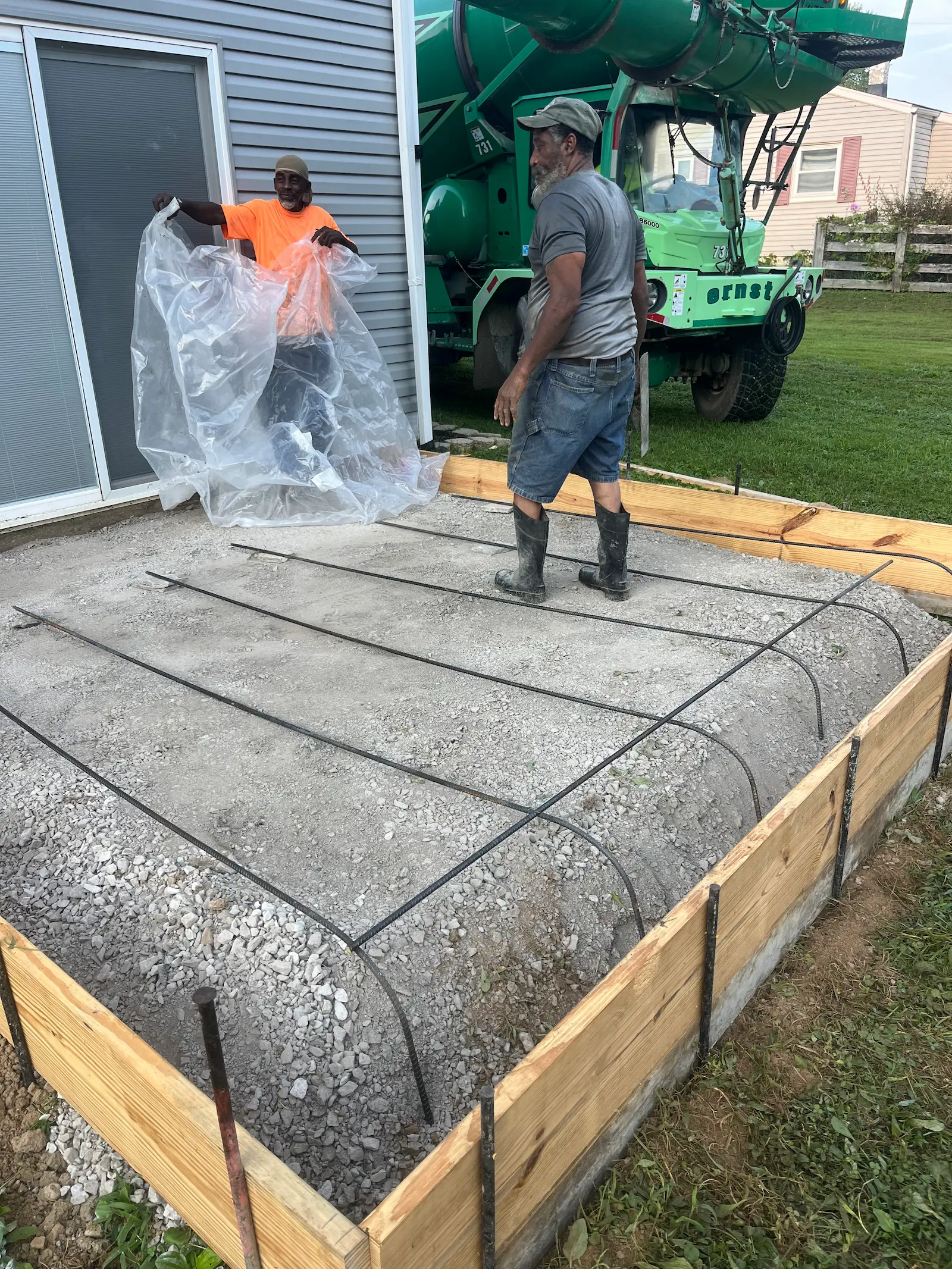
The best solution is not always the biggest one. A homeowner may only need one step repaired, a walkway made more practical, or a limited driveway section addressed. On the other hand, widespread deterioration or movement may make a larger repair or replacement more appropriate.
When comparing options, ask what work is necessary, how the damaged area will be prepared, and whether any drainage or ground issues need attention. An experienced concrete contractor in Cincinnati can explain the available approaches and help you make an informed decision based on the condition of your property.
At Cost Effective Concrete, we help homeowners assess their concrete needs and explore practical options for improving the safety, appearance, and function of their properties. Whether you need step repairs, sidewalk improvements, walkway work, or attention to a damaged driveway section, contact us to discuss your project and request a quote.