Planning a concrete project involves more than choosing a design and comparing estimates. Homeowners must decide where their money will have the greatest impact, from preparing the ground to selecting the right layout and addressing existing damage. A well-planned concrete budget helps you focus on essential work without spending unnecessarily on features that are less important to your property’s needs.
Whether you’re installing a driveway, repairing a walkway, or replacing aging concrete, these six priorities can help you allocate your budget wisely.
1. Assess the Condition of Your Existing Concrete
Before committing to a new installation, evaluate the concrete already on your property. Minor cracks or localized damage may be manageable with repairs, while widespread deterioration, significant settlement, or recurring problems may justify replacement.
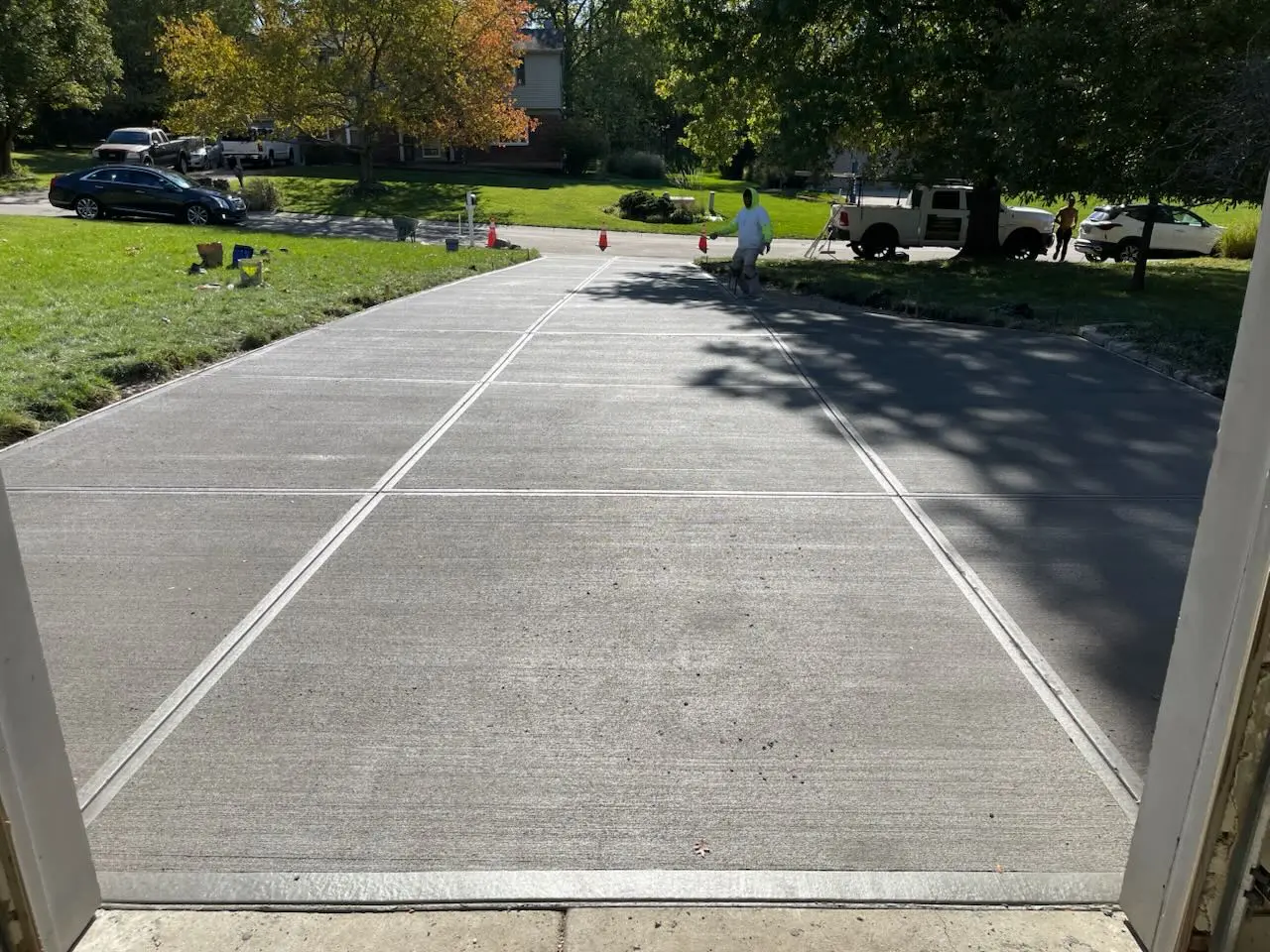
For example, concrete driveway repair in Cincinnati may be suitable when damage is limited, and the surrounding surface remains in reasonable condition. However, extensive cracking or an unstable base could require a more comprehensive solution.
Understanding the actual condition of your concrete helps you avoid paying for unnecessary replacement or repeatedly repairing a surface that has reached the end of its useful life.
2. Prioritize Proper Site Preparation
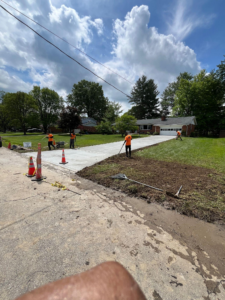
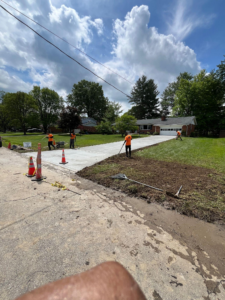
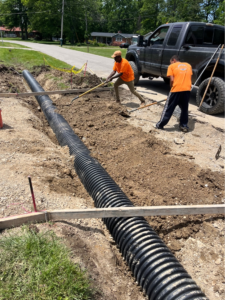
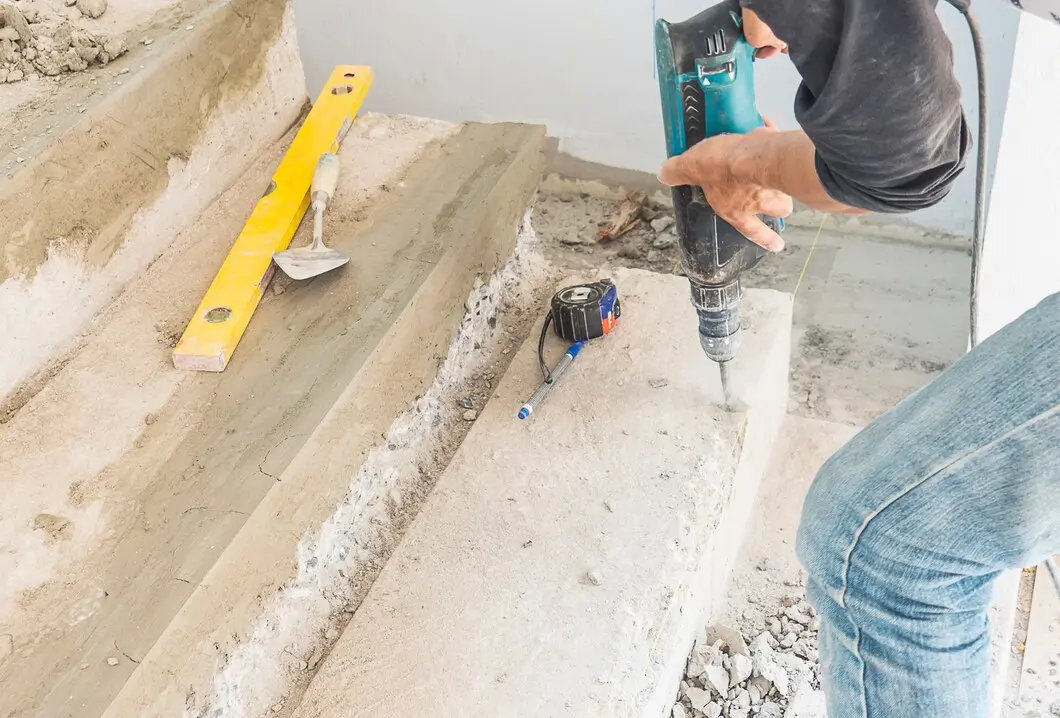
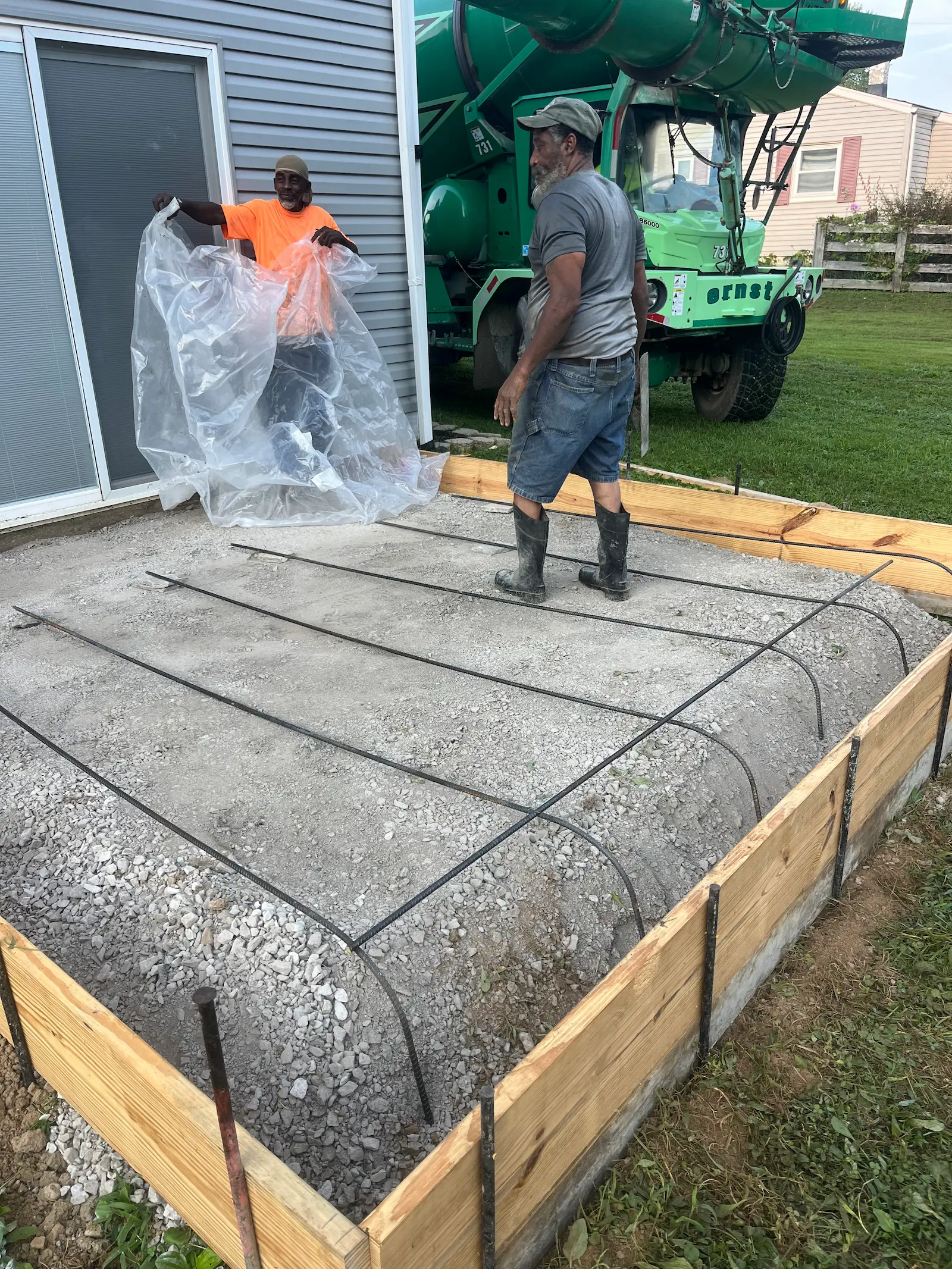
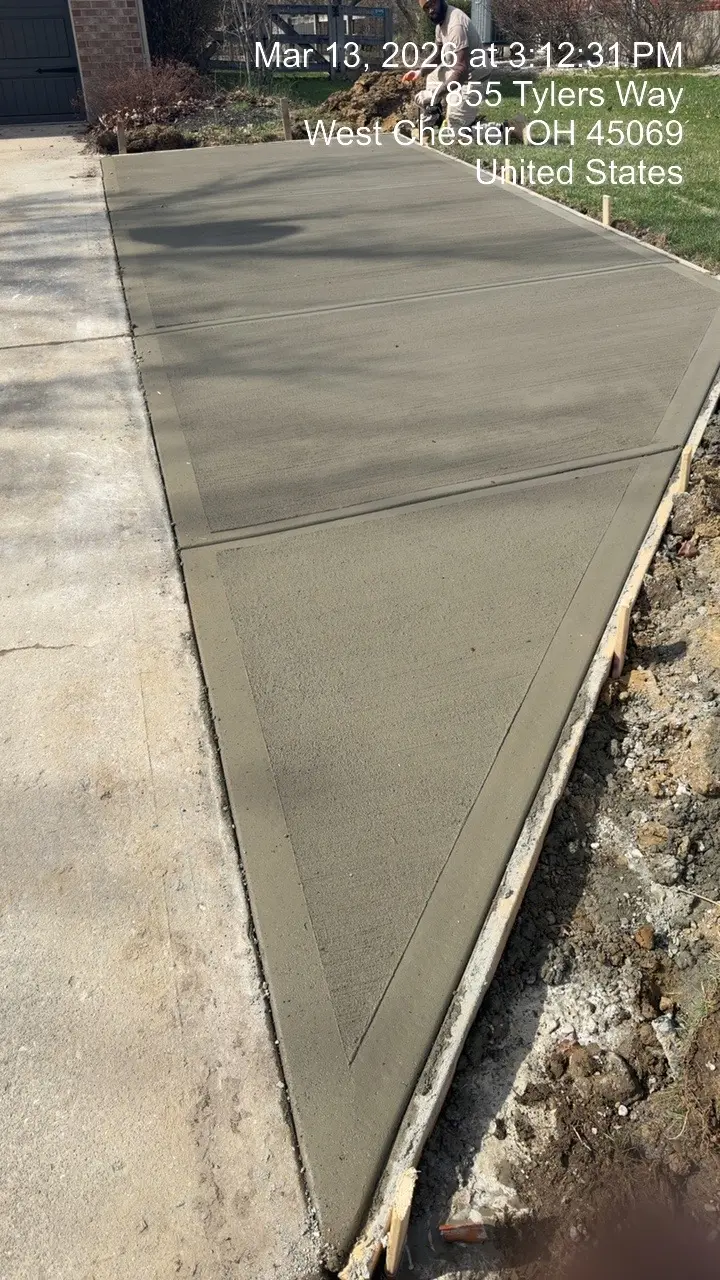
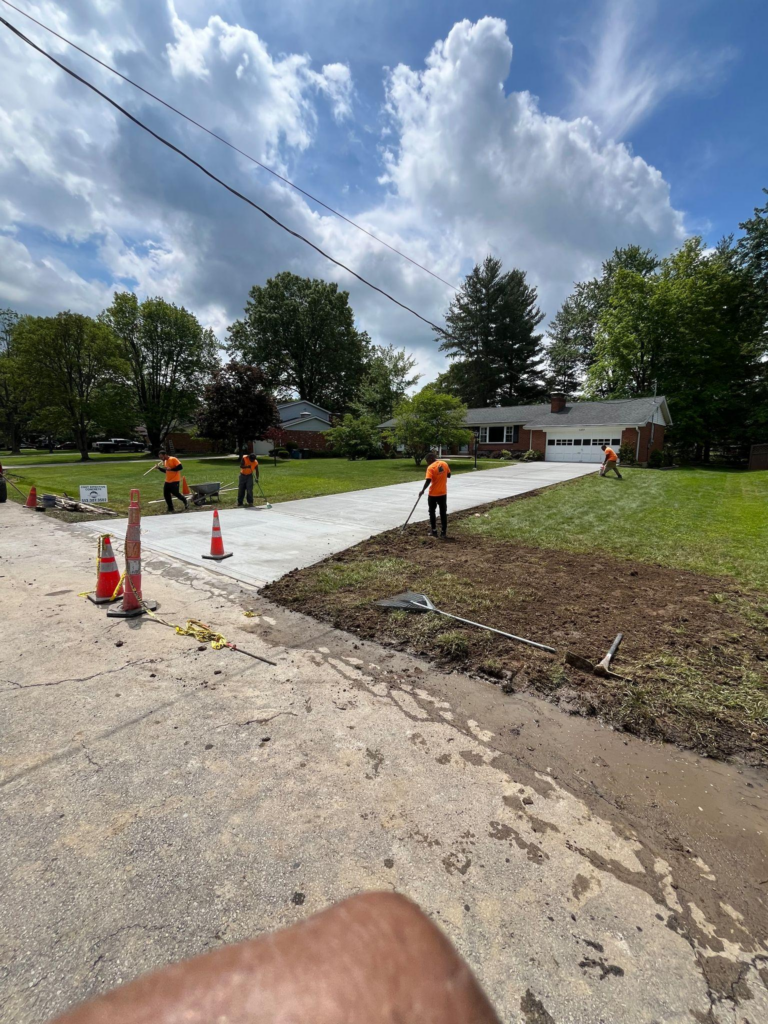
Site preparation is one of the most important parts of a concrete project, even though much of the work becomes invisible after installation. Excavation, soil assessment, base preparation, and compaction help establish a stable foundation for the finished surface.
Cutting corners during preparation may contribute to settlement, cracking, or uneven sections over time. Homeowners comparing concrete contractors in Cincinnati should ask what preparation is included in each estimate rather than judging proposals on price alone.
Allocating enough of your budget to this stage supports the finished concrete’s performance and can help reduce avoidable problems.
3. Address Grading and Drainage
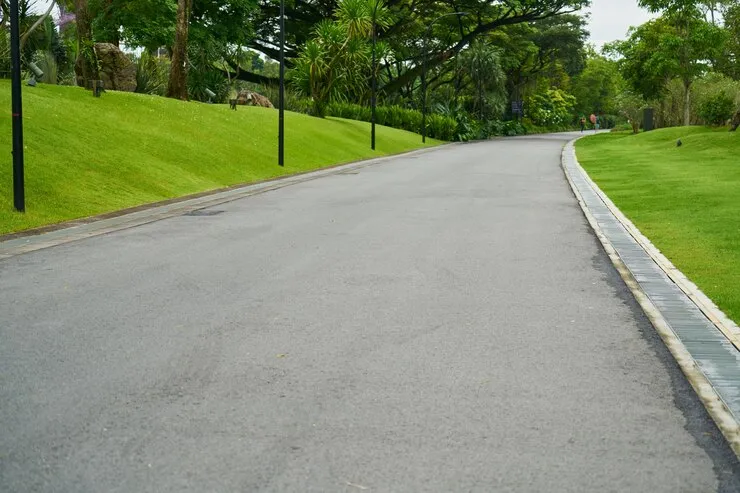
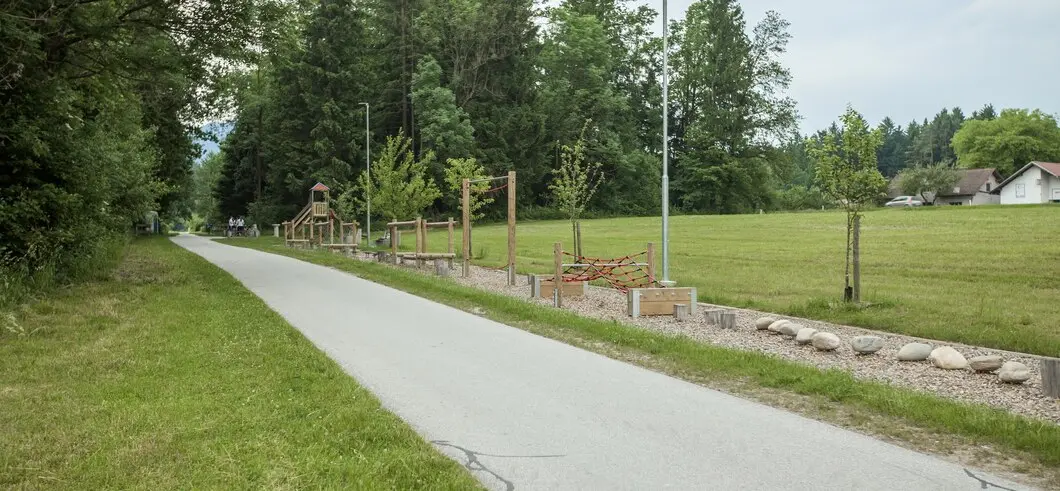
Water management deserves attention before concrete is poured. Poor grading can let rainwater collect on a driveway or flow toward a building instead of draining properly.
Correcting these issues during the planning stage may be more practical than trying to address them after installation. Depending on the property, drainage planning may involve adjusting elevations, establishing suitable slopes, or coordinating the new surface with existing drainage features.
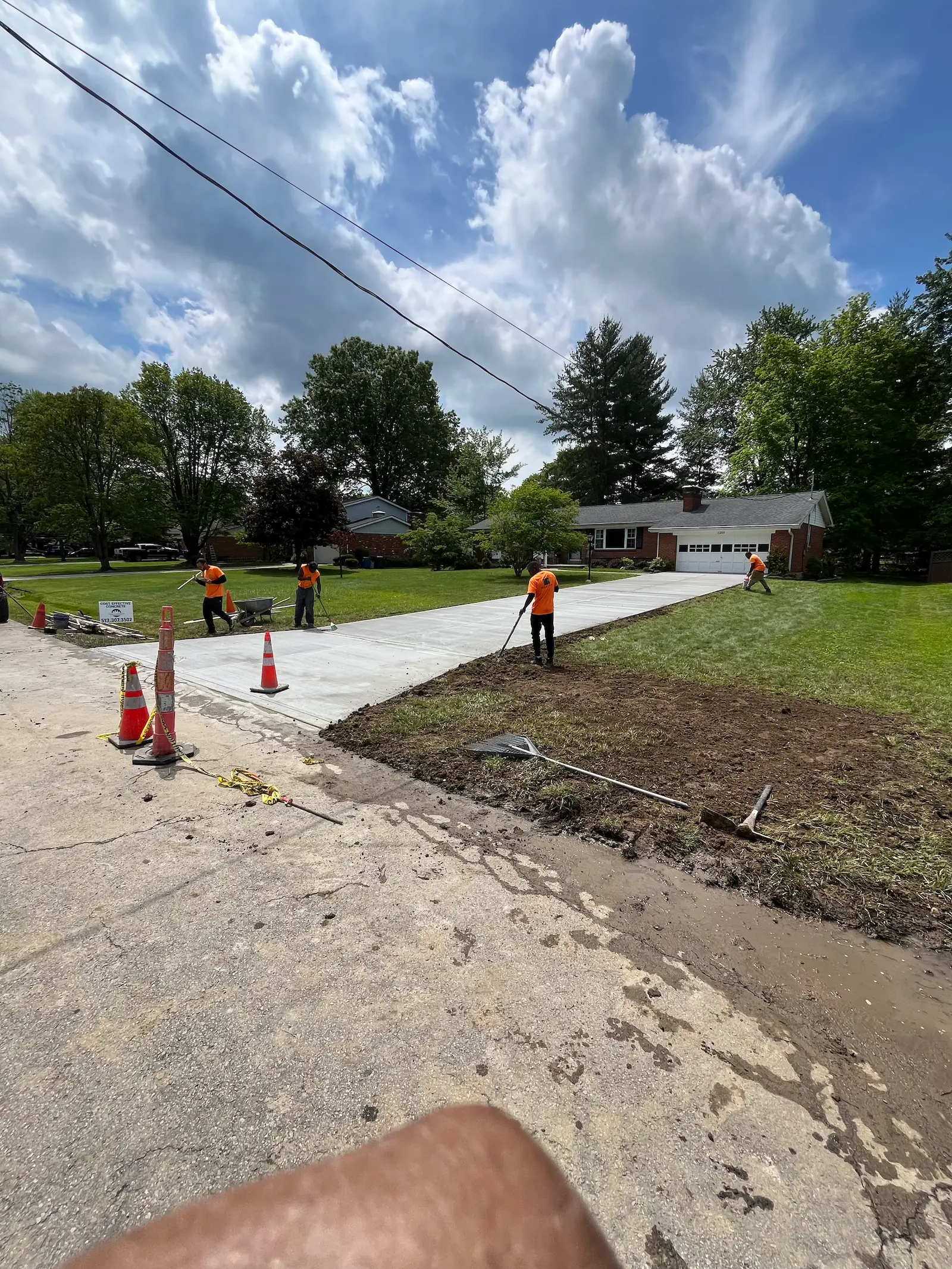
A concrete driveway contractor in Cincinnati should consider surrounding ground conditions and runoff when developing the project plan. Make sure your estimate accounts for any necessary grading or drainage work.
4. Invest in Safety and Accessibility
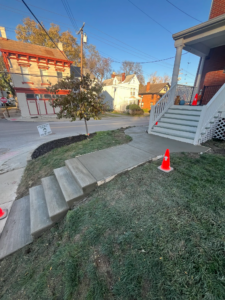
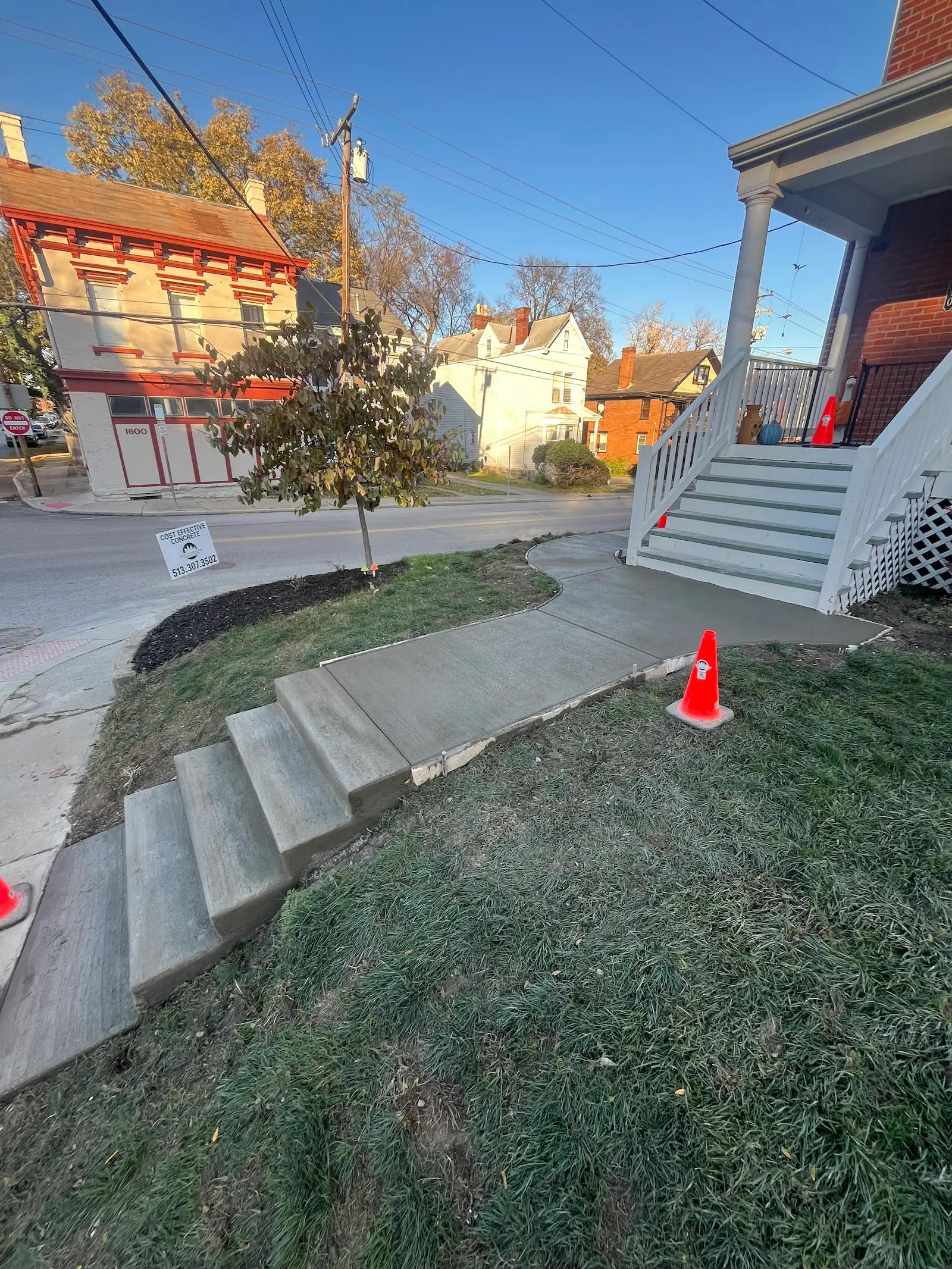
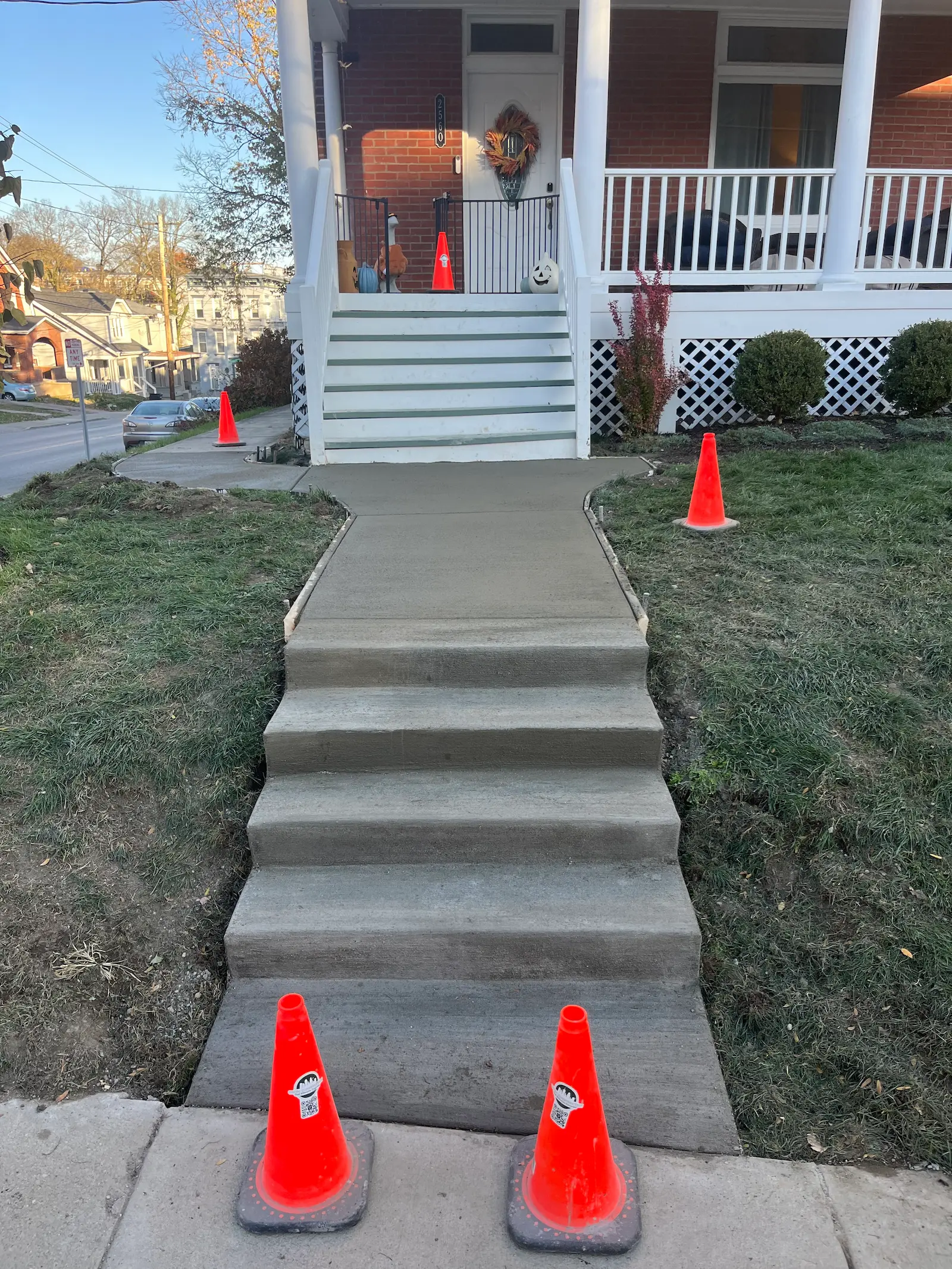
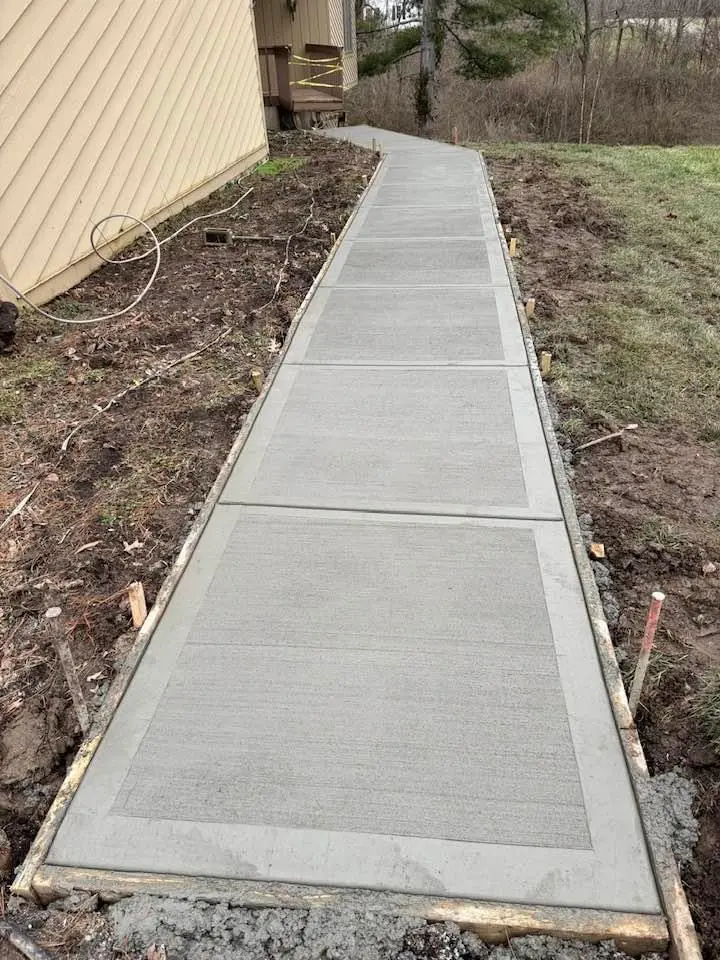
Concrete surfaces should accommodate the people who use them every day. Uneven walkways, deteriorating steps, and poorly planned access routes can create trip hazards and make movement around a property more difficult.
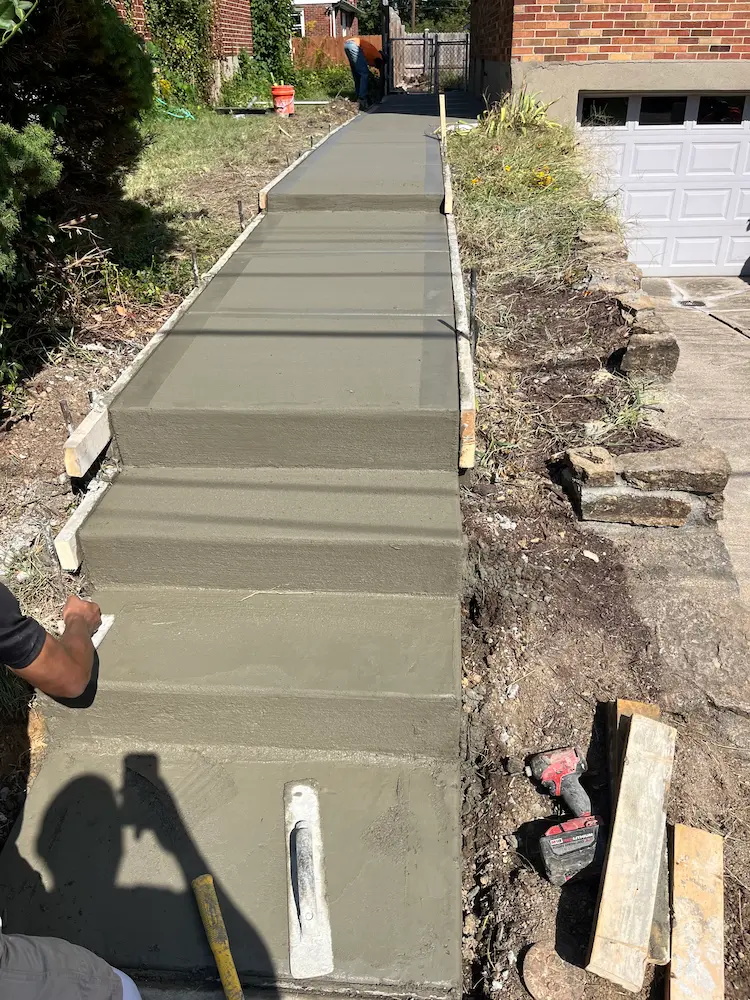
When reviewing your priorities, consider whether existing surfaces need repairs to improve safe access. You may also need to account for practical requirements such as walkway width, step placement, or transitions between different elevations.
Addressing these functional concerns can be a more valuable use of your budget than spending extra on decorative features before essential improvements are complete.
5. Balance Appearance With Functionality
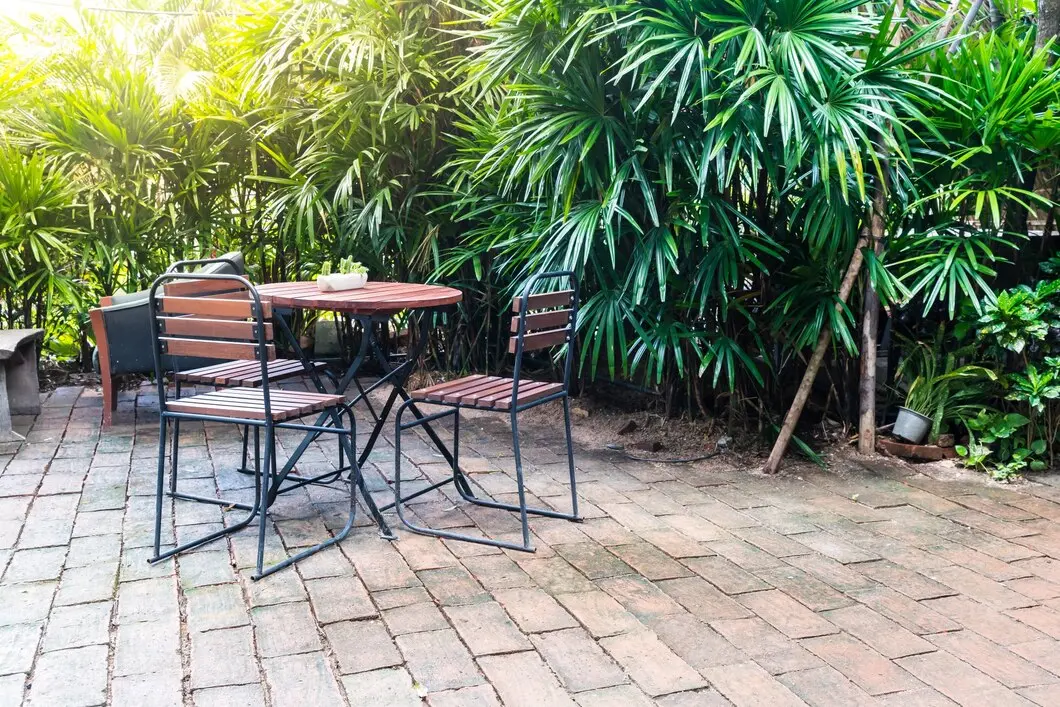
The appearance of a concrete surface matters, particularly when it contributes to your home’s curb appeal. However, decorative upgrades should be considered alongside the project’s functional requirements.
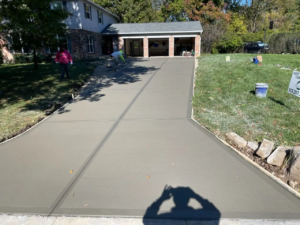
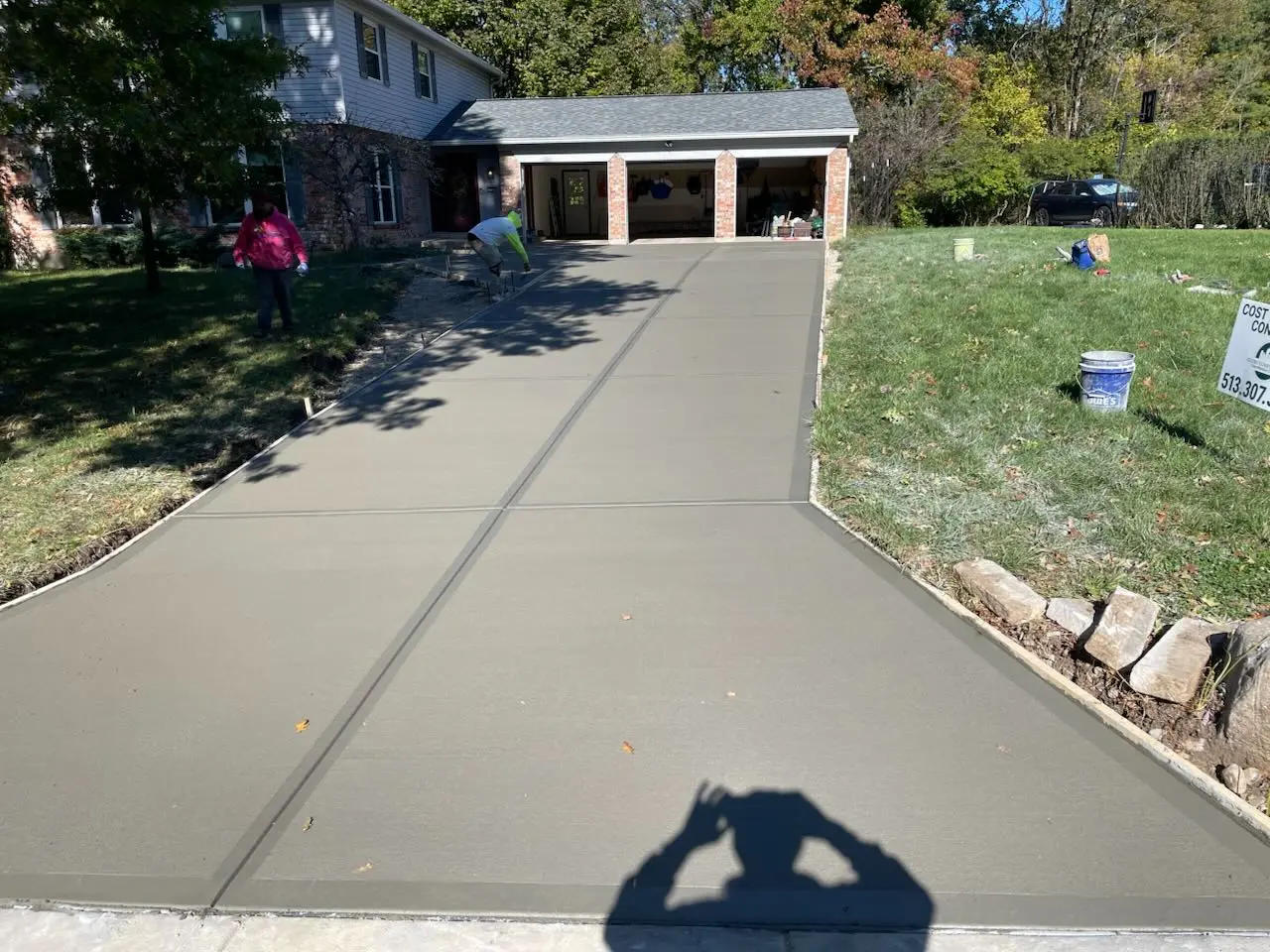
Start by deciding what you want the finished surface to accomplish. A straightforward driveway layout may meet your needs without additional design elements, allowing more of your budget to go toward preparation, grading, and finishing.
Compare available options and their costs before making decisions. The goal is to create an attractive surface that works for your property without stretching your budget unnecessarily.
6. Think About Long-Term Value
The lowest initial estimate does not always represent the best overall value. Differences in preparation, project scope, materials, finishing, and communication can affect what you receive for your money.
When evaluating concrete companies in Cincinnati, ask for a clear breakdown of the proposed work and clarify any exclusions before making a decision. Consider how the installation will meet your property’s needs over time, rather than focusing exclusively on the upfront cost.
Concrete can crack and deteriorate, even when installed properly. Good planning and workmanship can support durability, but no contractor can guarantee a completely maintenance-free surface.
Make Your Concrete Budget Work Smarter
A practical concrete budget starts with understanding your property’s condition and identifying the work that matters most. Prioritize sound preparation, appropriate drainage, safety, and functionality before deciding how much to spend on appearance.
At Cost Effective Concrete, we help homeowners evaluate their concrete needs and explore practical options that fit their properties and budgets. Contact us today to discuss your project, get a free quote, and see how our concrete services in Cincinnati, OH, can help you plan your next improvement with confidence.