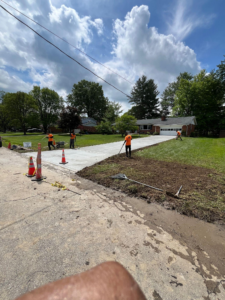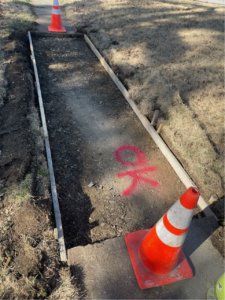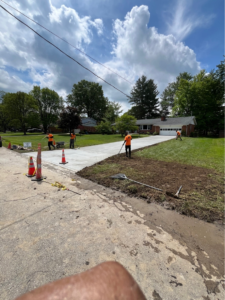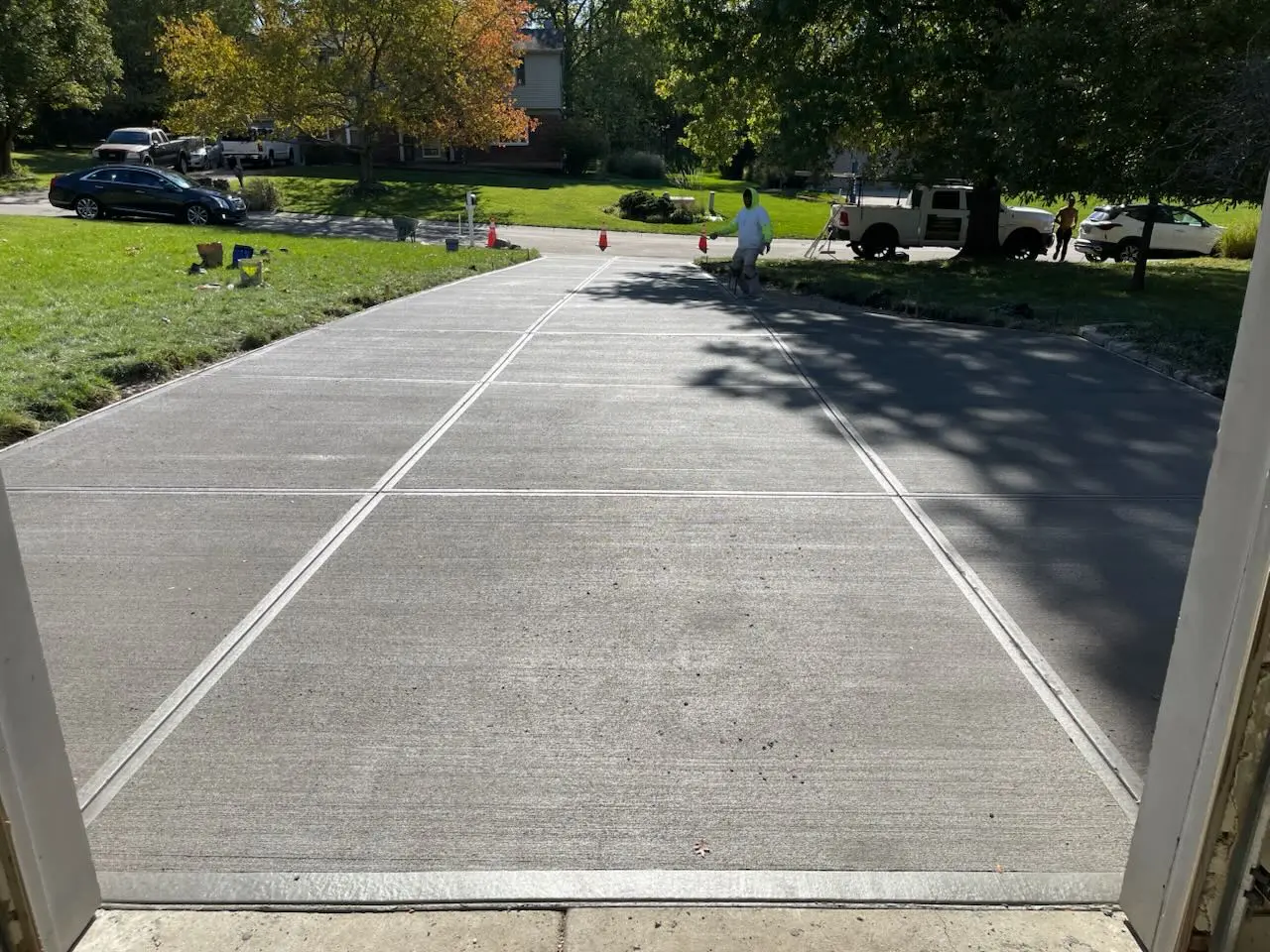
Standing water on a driveway or walkway is not just annoying. It is often the first sign of a bigger problem underneath. At Cost Effective Concrete, we see how quickly small drainage issues can turn into cracked slabs and washed-out bases across Cincinnati properties.
Why Water Is Concrete’s Biggest Enemy
Concrete itself holds up well against water. The ground underneath it does not always do the same. Water that pools instead of draining can erode the base, leaving the slab above it unsupported.
This is especially common in Cincinnati’s clay-heavy soil, which drains more slowly than sandier ground and holds water against a slab for longer after a storm.
Over time, that unsupported concrete cracks, sinks, or shifts. What starts as a puddle after rain can end as a driveway that needs full concrete repair.
The same holds true for walkways and any flat surface that collects rather than sheds water is at risk.
Common Warning Signs Homeowners Miss
Drainage problems rarely announce themselves clearly. Watch for:
- Puddles that take hours to disappear after rain
- Water pooling near the foundation instead of away from it
- Soft or spongy ground next to a driveway
- New cracks appearing after a heavy storm
- A slab that feels slightly uneven underfoot
Any one of these can point to water moving where it should not. Catching the pattern early is often the difference between a small fix and a major repair.
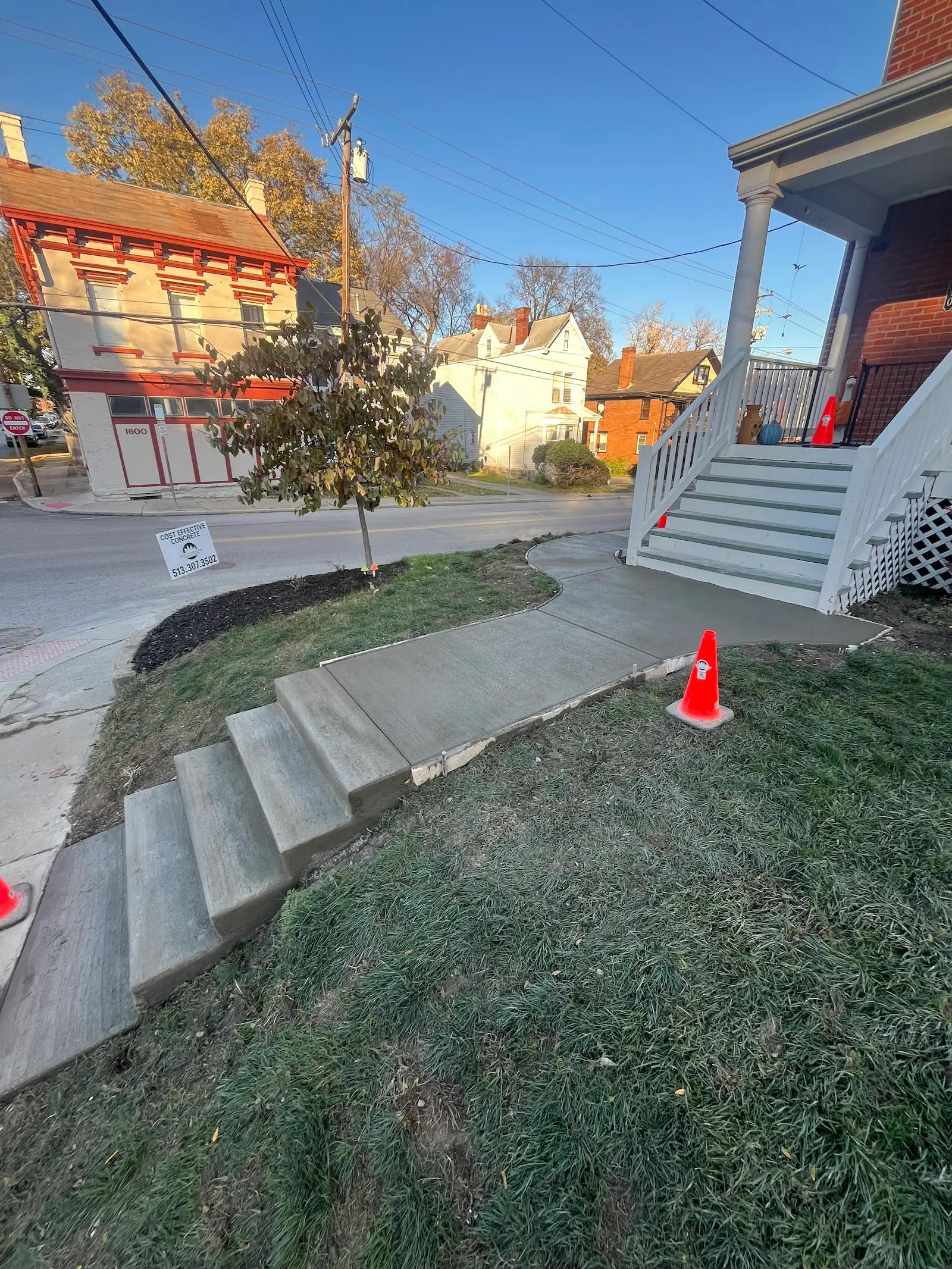
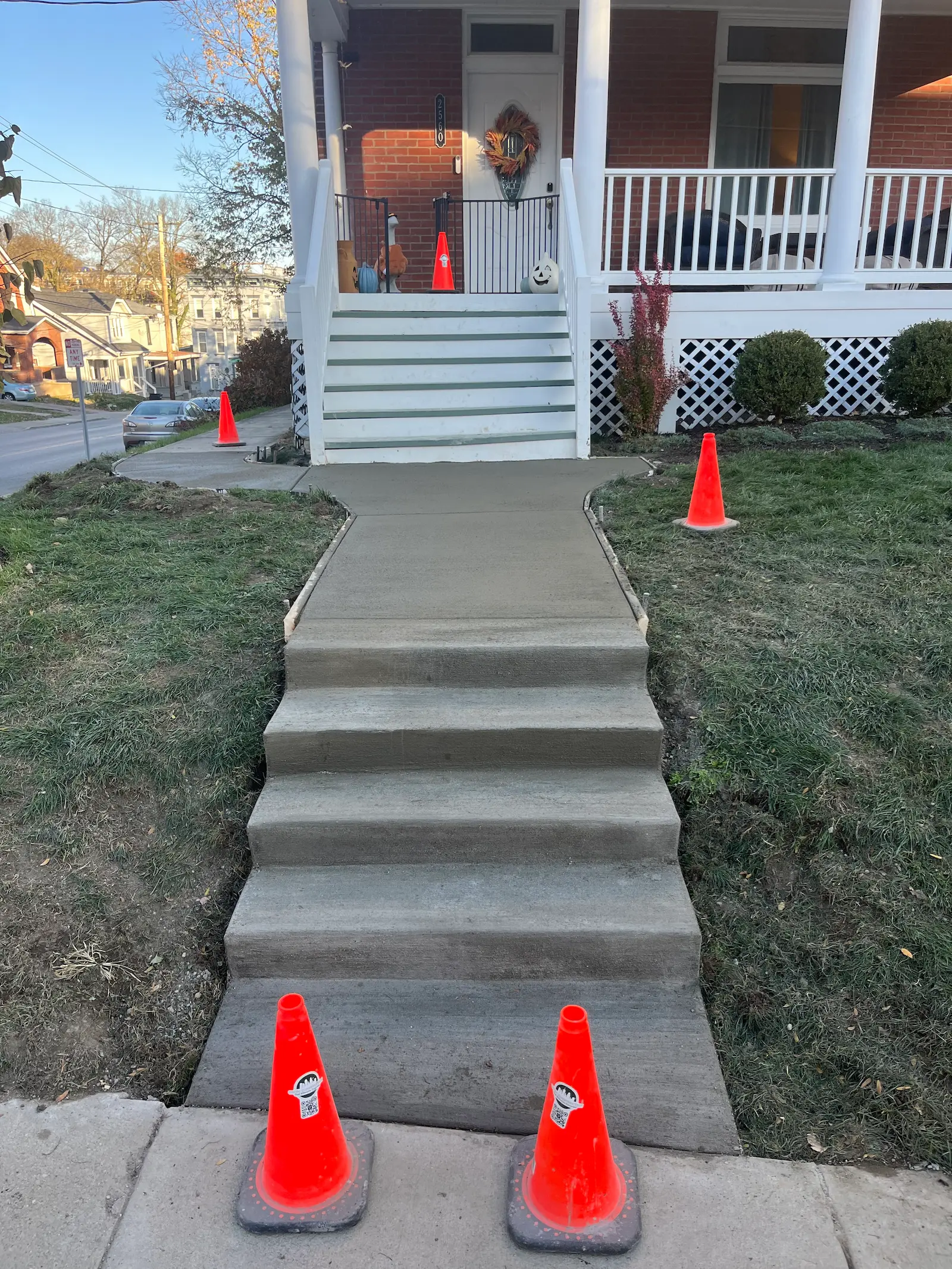
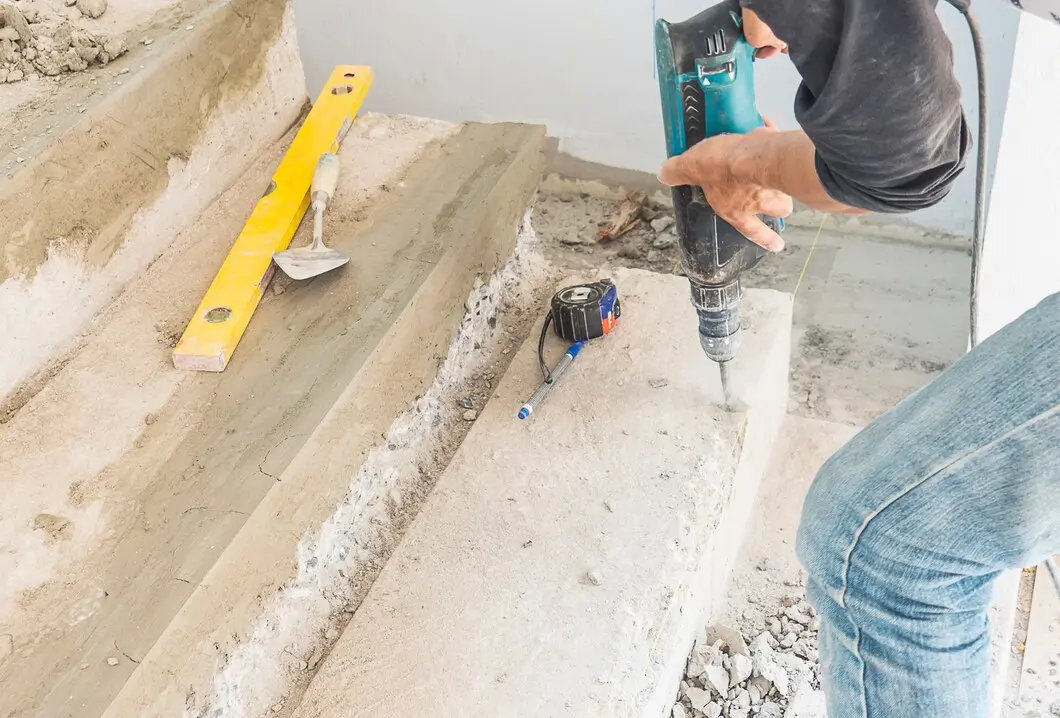
Even cracked or uneven concrete steps near a downspout can be a sign that water is being routed the wrong way.
Cincinnati Weather Makes This Worse
Our region sees real seasonal swings, and water that sits and then freezes causes more damage than water that simply passes through. The National Weather Service for our area tracks the freeze-thaw pattern that puts extra stress on concrete each winter.
Freezing water expands. That expansion pushes against cracks and weak spots, widening them with every cold snap. A drainage issue left unchecked in fall can become a major repair by spring.
That is why we recommend addressing standing water before the coldest months arrive, rather than waiting to see how bad it gets.
What Good Drainage Actually Looks Like
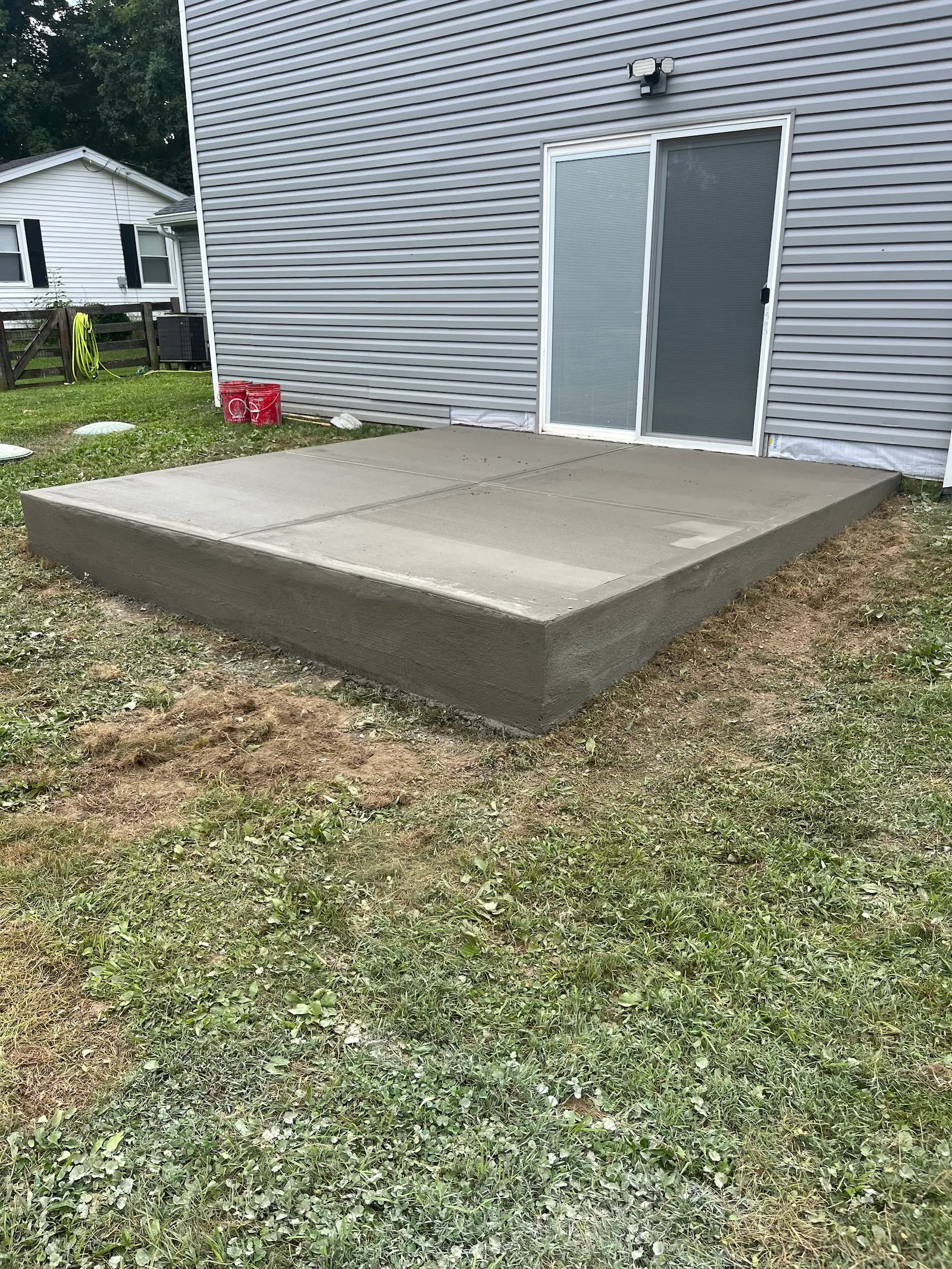
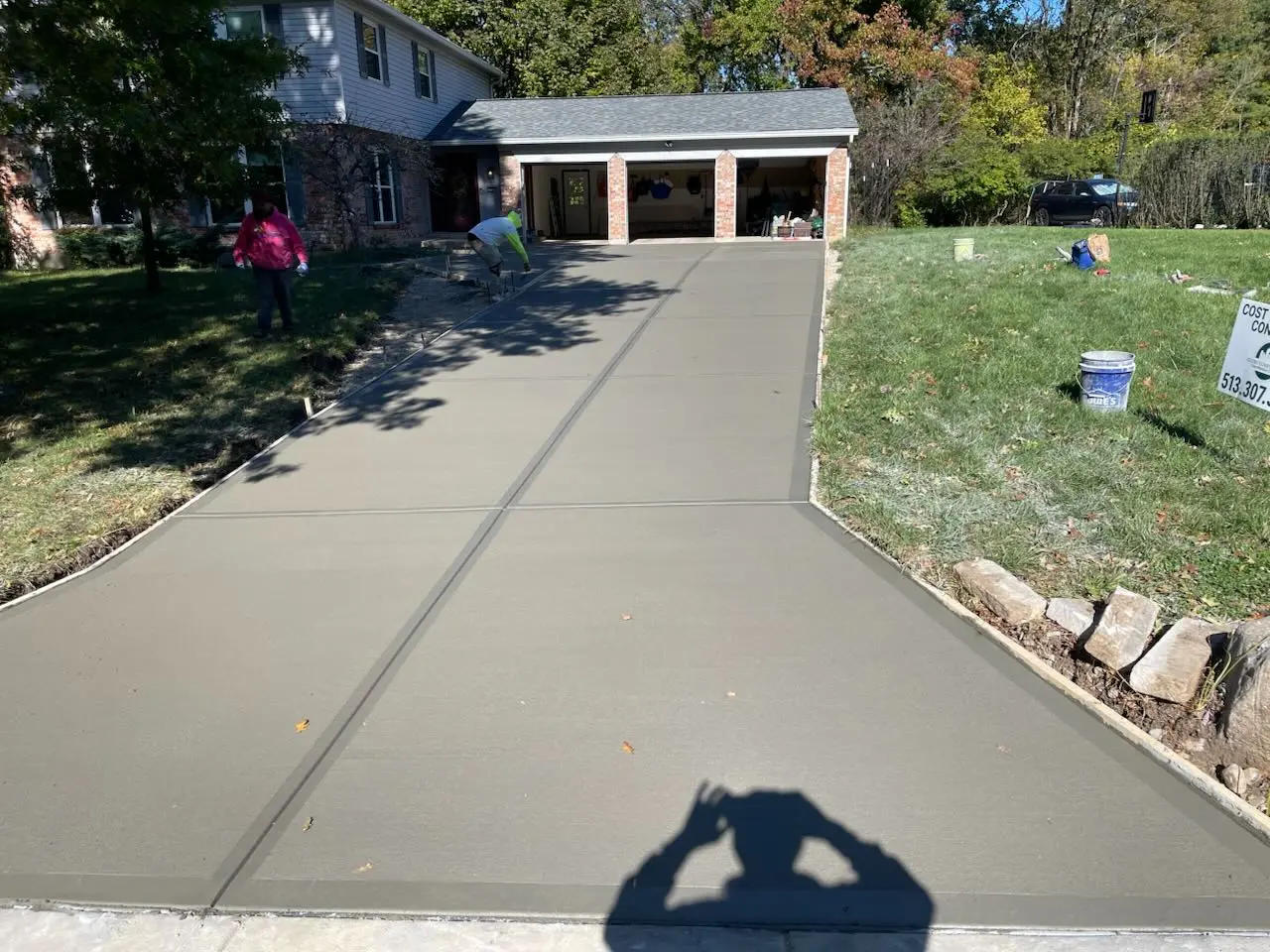
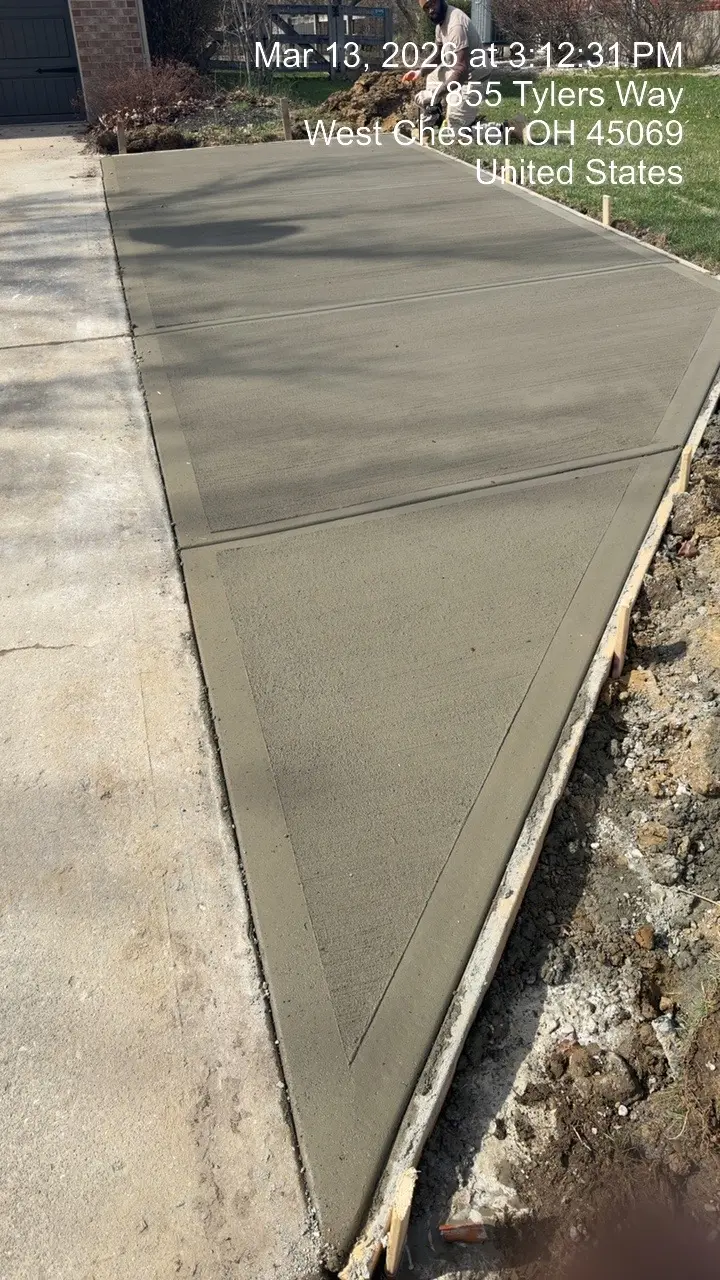
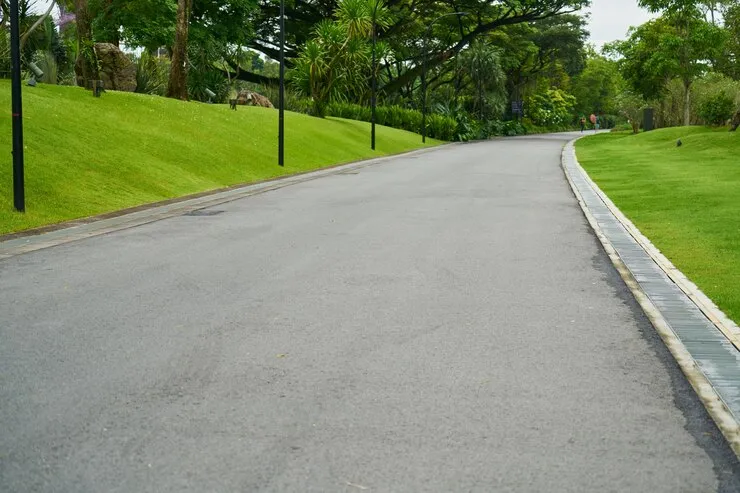
A well-built slab is graded to move water away from the home and toward a safe drainage path. The EPA notes that managing where rainwater goes protects both structures and the soil around them.
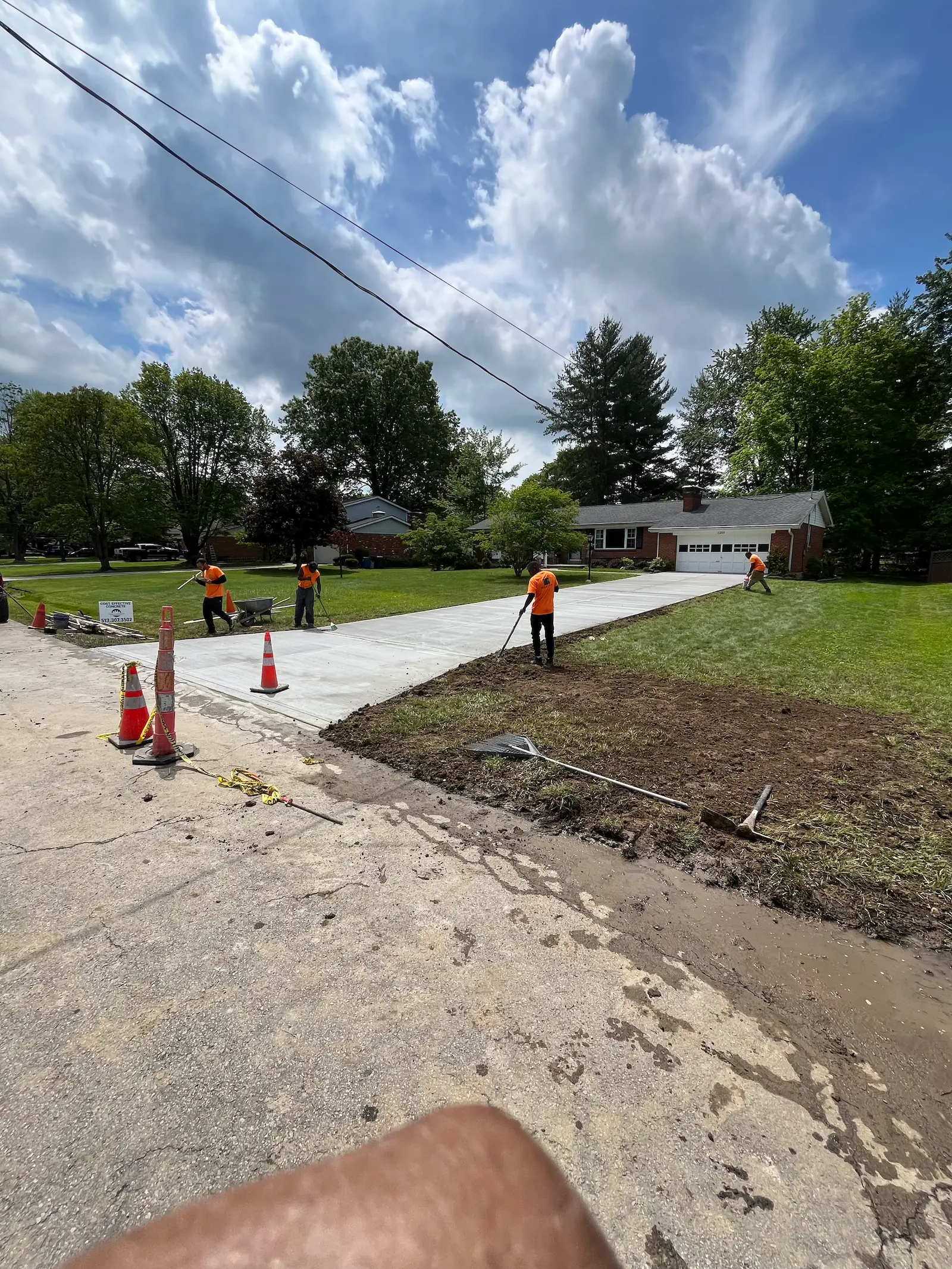
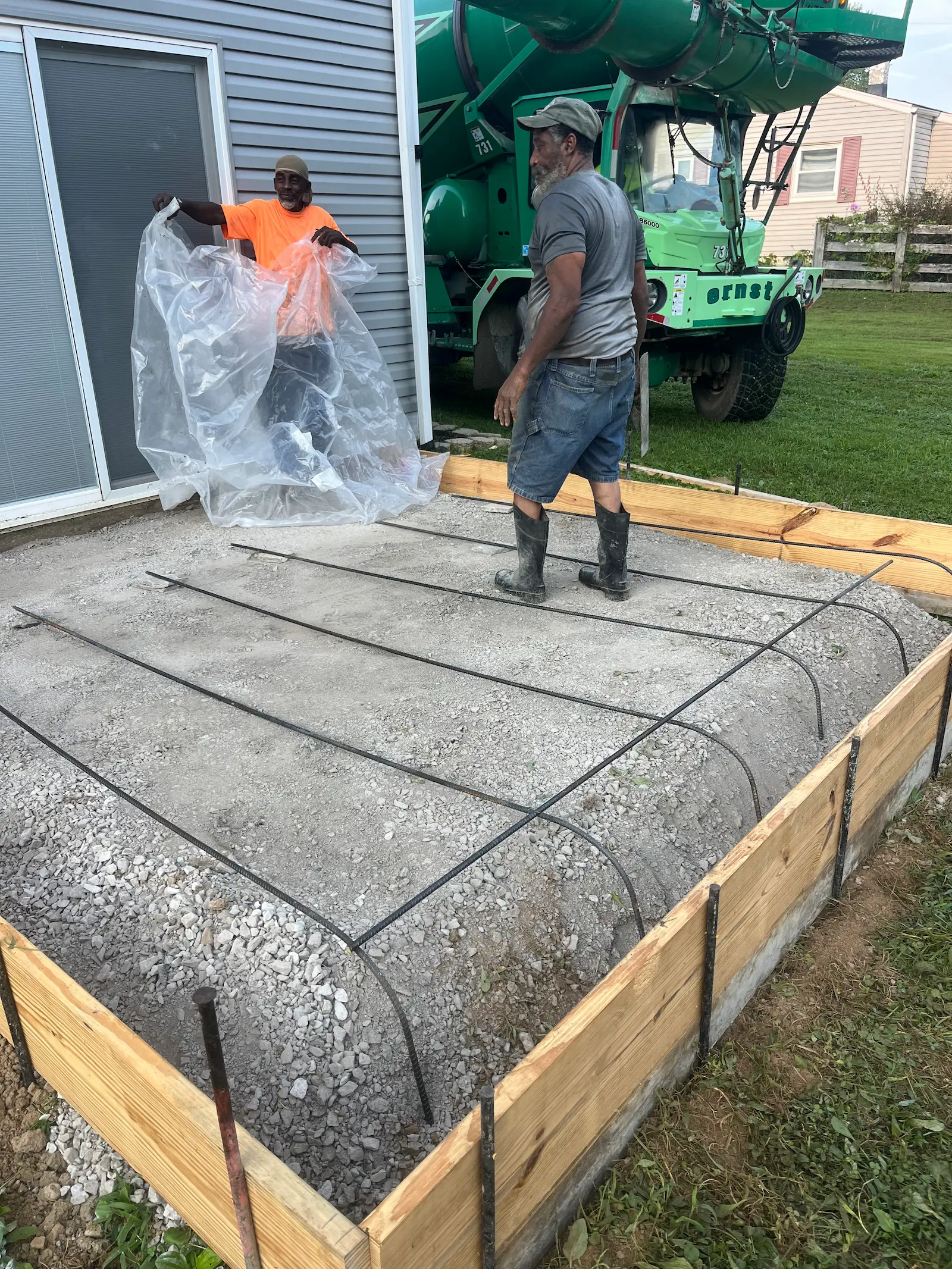
As one of the concrete repair companies in Cincinnati, we grade every new pour with drainage in mind, not just at installation but as part of solving repeat problems on existing slabs.
The Portland Cement Association also notes that proper slope and finishing are part of what makes flatwork hold up over the long term.
Fixing the Cause, Not Just the Puddle
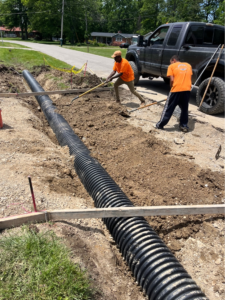
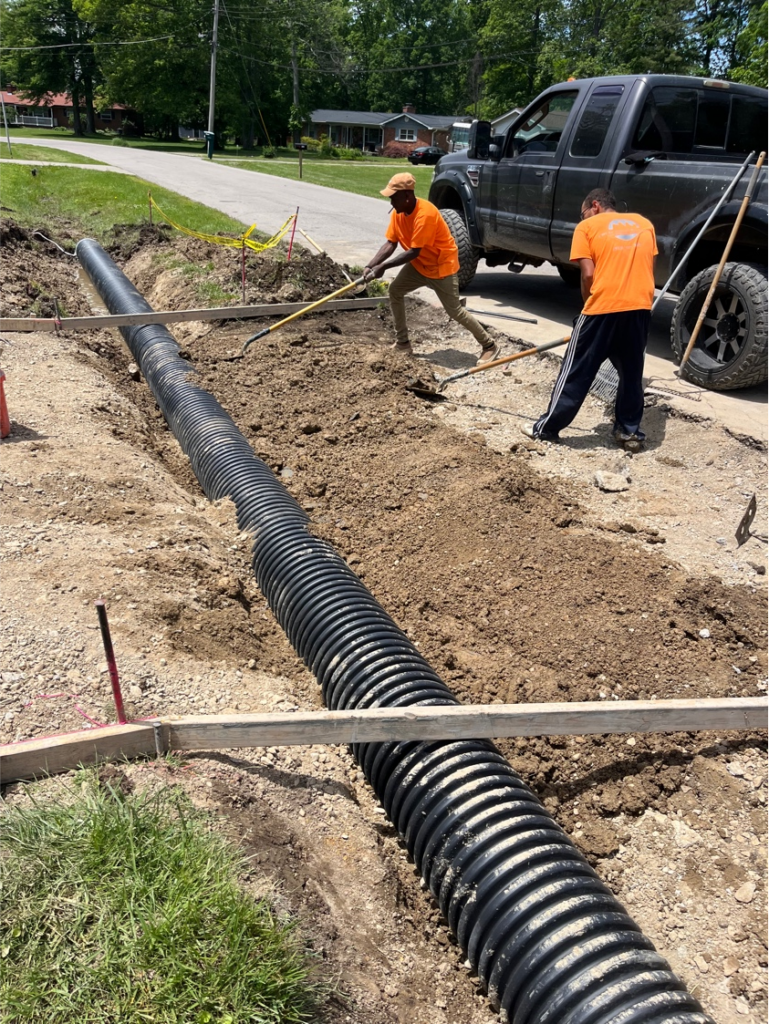
Filling a low spot with extra concrete can mask a drainage problem instead of solving it. We look at where water is coming from, where it is supposed to go, and what is stopping it along the way.
A simple downspout extension or a regraded strip of lawn can sometimes solve a problem that looked, at first, like it needed a full concrete repair.
Sometimes the fix is regrading. Other times, it means adjusting a slab’s slope or adding a proper drain. A concrete contractor who only patches the surface is treating a symptom, not the problem.
Don’t Wait for a Small Puddle to Become a Big Repair
If you have noticed water pooling near your driveway, or walkway, it is worth a second look before winter sets in.
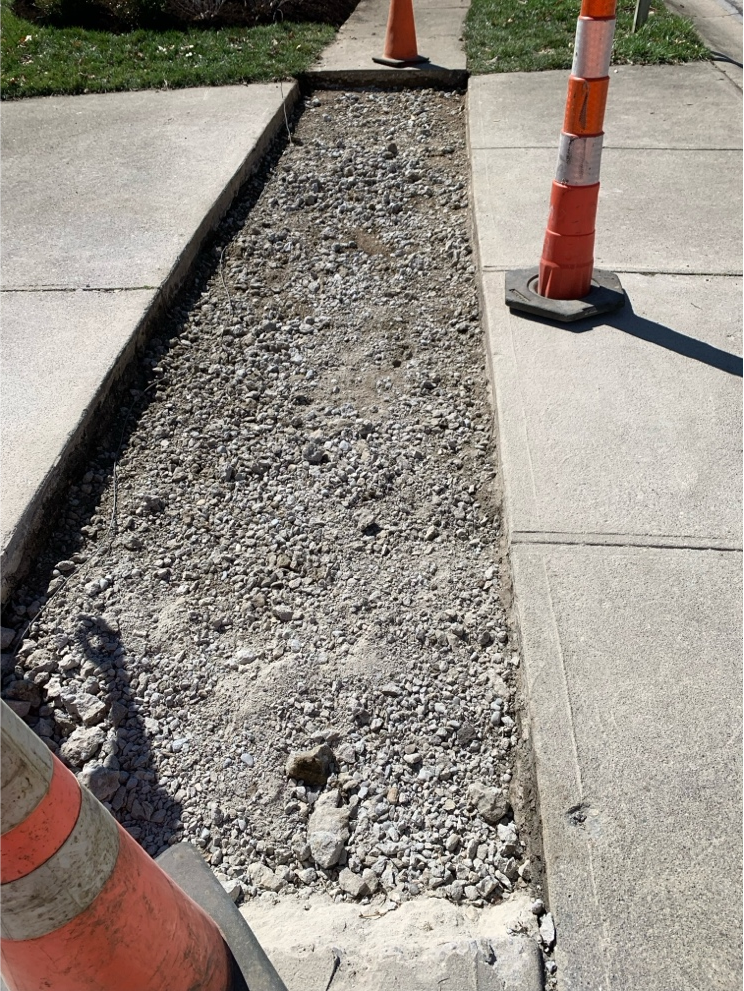
Whether you need concrete driveway repair, a patch job, or help from one of the concrete repair companies in the area, our team can tell you which one you actually need.
We also handle concrete steps repair for homeowners dealing with water damage near an entryway. Talk to an expert at Cost Effective Concrete, and we will help you figure out whether you are looking at a simple fix or a sign of something bigger. Contact us to schedule a walkthrough.